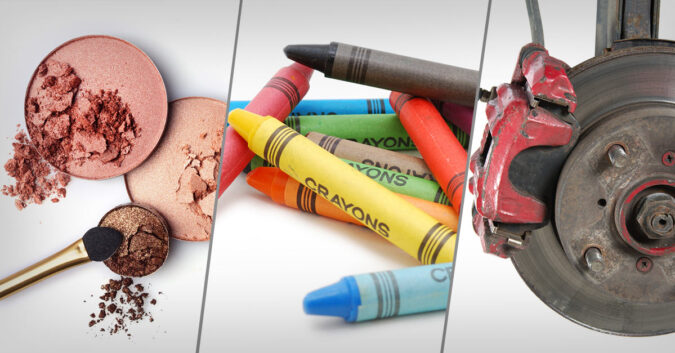
For years, asbestos was used in everything from toothpaste and cigarette filters to the fake snow in The Wizard of Oz. Many manufacturers of asbestos-containing products hid the dangers of this mineral to protect their profits.
By the late 1970s, the health risks linked to asbestos became widely known. Anyone exposed to asbestos may develop serious diseases decades later, including mesothelioma, asbestosis, and lung cancer.
Although the use of this toxic mineral has decreased over time, it’s still not fully banned in the United States. Contrary to what many people think, asbestos may still be in your home.
An estimated 25 million homes in the U.S. contain asbestos because of how frequently it was used in construction materials during the 20th century. The mineral may also be found in everyday products like talcum powder.
Asbestos exposure in the home can occur when these materials are disturbed during remodeling or DIY projects, as older products deteriorate with age, or through the use of items that contain the toxic mineral.
At Sokolove Law, we’ve helped many clients with mesothelioma from home exposure pursue the justice and compensation they deserve. See if our firm may be able to fight for you.
Where Is Asbestos Found in Homes?
For much of the 20th century, asbestos was highly valued because of its strength, heat-resistance, and low cost. Manufacturers used it in thousands of products that needed to withstand heat, fire, or friction.
Asbestos has also found its way into certain household products. Anything that contains talc, for example, may be contaminated with asbestos because the two minerals naturally form near each other in the earth.
Asbestos may still be found in:
- Appliances
- Car parts
- Construction materials
- Cosmetics
- Fabrics made to withstand heat
- Makeup
- Toys
Find out more about which household products may contain asbestos and how they could put your family at risk.
1. Asbestos in Makeup & Cosmetic Products
Asbestos fibers have been found in certain cosmetics that contain talc. The U.S. Food and Drug Administration (FDA) previously tested over 50 popular products and found that nearly 20% were contaminated with asbestos.
Loose powders, like face powder, blush, and eye shadow, pose an especially high risk because asbestos fibers can easily become airborne during use and be unintentionally inhaled.
Products that may contain asbestos include:
- Avon® Skin So Soft Satin Talc Powder
- Cashmere Bouquet® by Colgate-Palmolive
- Chanel No. 5® Body Powder
- Claire’s® Compact Powders and Contour Pallet
- Clubman Pinaud® Powder
- Contour Effects Palette 2, Timeless Beauty Palette, Matte Blush (Fuchsia), Shimmer Bronzer (Carmel), and Bronzer (Sunset) by City Color®
- Gold Bond® Medicated Powder
- Johnson’s® Baby Powder and Shower to Shower® by Johnson & Johnson
In 2024, the FDA proposed a new rule to standardize the process of checking for asbestos contamination in cosmetic products that contain talc.
This proposal was part of the Modernization of Cosmetics Regulation Act of 2022 (MoCRA), representing the most significant expansion of the FDA’s authority to regulate cosmetics since 1938.
2. Asbestos in Toys
Similar to makeup and baby powder, talc is often found in popular children’s toys — and, in some cases, it may be contaminated with asbestos.
Because children often put toys in their mouths or handle them closely, they can accidentally ingest or inhale asbestos fibers.
Toys that may contain asbestos include:
- Crayons, including those sold by Playskool® and Amscan®
- Makeup products marketed to children and teenagers, like the Jojo Siwa Makeup Set sold at Claire’s
- Modeling clay, including Fibro-Clay by Milton Bradley and DAS
- Planet Toys’ CSI: Crime Scene Investigation™ Fingerprint Examination Kits
While some toys have been recalled due to the presence of asbestos, many kids may have already been exposed to this dangerous mineral while playing at home.
3. Home Appliances with Asbestos
Home appliances manufactured and installed before the 1980s often used parts containing asbestos because of the mineral’s heat resistance and durability. This was especially useful for appliances that needed to withstand extreme temperatures.
Some appliances that may contain asbestos include:
- Clothes dryers: Several parts of a dryer, including the belts allowing the drums to spin, the insulation surrounding exhaust pipes, and other electrical components, frequently contained asbestos.
- Dishwashers: To prevent water damage to electrical components, dishwashers often used seals that contained asbestos.
- Electrical panels and outlets: Old panels and outlets often used asbestos-containing electrical tape and wire coatings to reduce the chances of unwanted electrical conduction, surges, and fires.
- Furnaces: Furnace flues, doors, and wall and floor tiles surrounding the furnace often had large amounts of asbestos to keep the high temperatures from causing a fire.
- Generators: Similar to electrical panels, generators were insulated and protected from surges and fires with asbestos-containing materials.
- Refrigerators: Older refrigerators used asbestos insulation and seals to keep the cool air from escaping and components safe from water damage.
- Stoves and stove hoods: Like furnace doors and flues, stoves and stove hoods needed to withstand high temperatures and frequent use. As a result, asbestos was incorporated into many older stoves.
- Toaster: Asbestos products were used in the casing to keep toasters from getting too hot and causing fires.
- Water heaters and boilers: Asbestos insulation would be wrapped around water heaters, boilers, and pipes to retain the heat and keep the appliance working efficiently.
When replacing appliances, homeowners or workers may be exposed to asbestos. Renovations can disturb the asbestos in older products, releasing microscopic fibers into the air.
However, even as appliances age, they could put the entire household at risk as asbestos-containing components break down with time and use.
4. Asbestos in Automotive Parts
Asbestos was commonly used in automotive parts that had to withstand heat, friction, and heavy use. Anyone who performed maintenance on their car at home may have been exposed to asbestos without realizing it.
Automotive parts that may contain asbestos include:
- Brake pads and linings
- Gaskets
- Hood liners
- Transmission plates
Although asbestos-containing brake pads are no longer manufactured in the U.S., they may still be imported or unknowingly purchased online.
Many U.S. veterans were also exposed to asbestos daily while maintaining military vehicles, and the risk often continued during personal vehicle maintenance at home.
“Gearheads typically fix everything. They fix their house, they fix their car. If the neighbor's got something broken, they fix it. A lot of times, they're not careful about protecting their lungs, because sometimes they're just not aware that what they're breathing can be dangerous.”
– Mike, Son of a U.S. Air Force Veteran with Mesothelioma
5. Asbestos in Home Construction Materials
If you live in a house that was built before the 1970s, there's a good chance that asbestos was used in its construction.
Homeowners and DIY enthusiasts may be exposed to asbestos fibers when disturbing walls, ceilings, insulation, or other materials. Projects like sanding floors, removing old tiles, or scraping off popcorn ceilings can all release fibers into the air.
Asbestos-containing construction materials may include:
- Ceiling tiles
- Cement foundations and wallboards
- Electrical panels and outlets
- Gutters
- Heating ducts
- HVAC insulation and filters
- Insulation
- Outdoor siding
- Paint
- Pipes
- Popcorn ceiling texture paint
- Recessed lighting
- Roofing shingles
- Tar paper for roofs
- Vinyl flooring tiles
- Window seal putty
There is currently a “third wave” of asbestos-related diseases in the United States, according to NPR. Exposure to asbestos during home renovations may be partly to blame.
“My husband loved home remodeling. We had a very old house in St. Louis City, and we tore out the bathroom. We didn't know it at the time, but that was more exposure to asbestos.”
– Joyce, Wife of a Mesothelioma Victim
If you’re planning a renovation in an older home, it’s important to take precautions and contact a professional before disturbing any materials that may contain asbestos to reduce the risk of exposure.
6. Other Household Items with Asbestos
For years, certain everyday household items contained asbestos for its heat-resistant and fire-retardant properties. Even products that seem harmless, like textiles or kitchen tools, could have contained asbestos.
Household items that may have contained asbestos include:
- Fire blankets
- Flame-resistant lamp shades
- Hair dryers
- Ironing board cover
- Oven mitts
While many of these products are no longer made with asbestos, older items in your home may still pose a risk if they become damaged or worn. Always handle these materials with care and consult a professional if needed.
What to Do If You Were Exposed to Asbestos at Home
If you believe there may be asbestos in your home, it’s important to take precautions. Asbestos fibers are not always harmful when left undisturbed, but exposure can become dangerous if materials are damaged or improperly handled.
Here are key steps to protect yourself and your household:
- Don’t disturb it: Asbestos-containing materials are generally considered safe when intact and in good condition.
- Monitor your health: Keep an eye out for any symptoms of mesothelioma, even decades after exposure. If you begin to experience any symptoms, see a doctor and report your history of asbestos exposure.
- Call a professional: Only trained asbestos abatement specialists should handle damaged materials to prevent fibers from becoming airborne.
- Seek legal help: If you develop an asbestos-related disease, an attorney can help you explore your options and pursue compensation on your behalf.
If you discover asbestos in your home, it’s important to be incredibly cautious, especially when taking on a DIY construction project.
Knowing where these hazards can be in your home can help you make decisions that may shield you and your family members from asbestos exposure and dangerous diseases like mesothelioma.
Get Help for Mesothelioma from Home Renovations
Every year, more than 3,000 Americans are diagnosed with mesothelioma — and many were exposed to asbestos through home renovations or household products.
As a national asbestos law firm, Sokolove Law can help families in all 50 states seek justice after a mesothelioma diagnosis.
Our mesothelioma lawyers have secured more than $5.3 Billion total for clients.
There are no upfront costs or hourly fees to work with our team. We only get paid if we secure compensation for you.
Call (800) 647-3434 now or fill out our contact form to get started with a free case review.