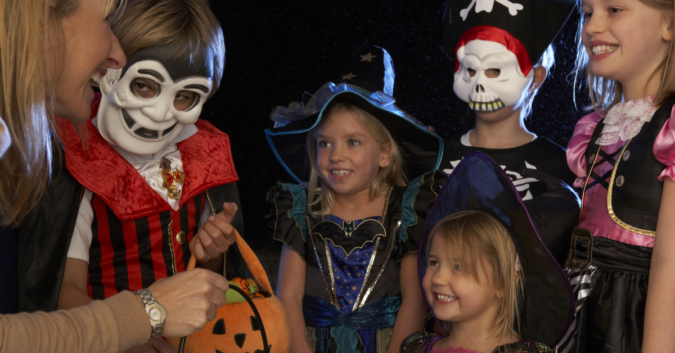
With all of the candy, costumes, and scary stories, it’s no wonder Halloween is a favorite holiday among millions of children. Yet for those with disabilities, the holiday can also bring unique challenges that make it harder to join in on the fun.
Around 17% of children between ages 3 and 17 have a developmental disability of some kind, according to the U.S. Centers for Disease Control and Prevention (CDC).
Chief among these disabilities is cerebral palsy, a type of birth injury and the most common motor-function disability in childhood.
That doesn’t mean Halloween can’t be an enjoyable experience for all. With a few thoughtful adjustments, families can help ensure that every child experiences the joy of trick-or-treating, regardless of their mobility, sensory, or communication needs.
Find out about 5 easy ways to make Halloween safer and more inclusive for the children in your neighborhood.
1. Move the Treat Bowl Closer to Street Level
One of the simplest ways to make your home more accessible on Halloween is to move your treat bowl closer to the sidewalk or driveway. This small change can make a big difference for children who use wheelchairs or have motor-function disabilities that can affect movement and coordination.
Setting up a table or stand near street level ensures that every child can comfortably take part in the fun without worrying about steps, steep driveways, or uneven walkways, so no one is left out of the Halloween excitement.
2. Downgrade the Spookiness, Upgrade the Fun
Halloween doesn’t have to be scary to be memorable. For many children, especially those with sensory sensitivities or anxiety disorders, the flashing lights, loud noises, and sudden scares can be overwhelming.
While Halloween is without a doubt a “spooky” American tradition, research has shown that roughly 1 out of every 8 children in the U.S. suffers from an anxiety disorder.
This year, try toning down the fright factor. Skip the strobe lights, fog machines, or jump-scare decorations, and instead focus on friendly displays, bright lighting, and clear walkways. Creating a calm, welcoming environment helps ensure that every child can enjoy Halloween at their own comfort level.
3. Be Patient and Understanding
Not every child is verbal — and some children, including those with autism spectrum disorder (ASD) or developmental delays, may find communicating especially difficult.
Nonverbal or nonspeaking children may not be able to say “trick-or-treat” or “thank you.” Don't pressure children into giving a verbal response, and be sensitive toward those who don't give the expected social responses many associate with Halloween.
Children with speech or hearing challenges will also benefit from being able to see your face and mouth while you speak, and simple gestures or visual cues can go a long way in making the experience more inclusive.
4. Think Beyond the Sweets
Food allergies affect 1 in every 13 children in the U.S., according to the CDC. Unfortunately, many popular candies contain nuts, eggs, milk, soy, or wheat, which are some of the most common allergens among children.
The Teal Pumpkin Project, created by Food Allergy Research and Education (FARE), encourages households to offer alternatives to candy so children with allergies can enjoy Halloween safely.
Displaying a teal pumpkin outside your home lets children and their families know they are welcome to collect allergy-friendly treats.
Some fun alternatives to candy include:
- Bookmarks
- Bouncy balls
- Bubbles
- Crayons
- Glow sticks or bracelets
- Keychains
- Markers
- Stickers
- Spider rings
- Vampire teeth
If you choose to join the Teal Pumpkin Project, consider adding your home or residence to the Teal Pumpkin Project map, which can be found on the organization’s website alongside additional information about the holiday movement.
5. Recognize the Blue Pumpkin Symbol
You may have noticed some children carrying blue pumpkin buckets on Halloween in recent years. What began as a social media movement has turned into a full-fledged awareness campaign now supported by organizations like the Autism Society of America.
Trick-or-treaters who carry blue pumpkins with them may be signaling to adults that they have autism spectrum disorder. Autism may present unique challenges for children on Halloween night, like sensory sensitivities or difficulty with social interactions.
Recognizing this symbol can remind you to respond with patience and understanding, making Halloween more enjoyable and inclusive for all children.
Supporting Children with Disabilities Beyond Halloween
For many parents and caregivers, the planning and accommodations needed to ensure their children can participate safely in everyday activities extends far beyond Halloween.
Some of these challenges stem from conditions caused by birth injuries that occurred before, during, or shortly after birth, requiring families to navigate the world in a unique way from the very start of their child's life.
By educating yourself on how to make the world around you more inclusive, both today and every day, you can help make life easier and more enjoyable for children of all abilities.
For families impacted by birth injuries, there may be compensation available to help them provide their child with the resources and support they deserve year-round.
Make Halloween Special for Children of All Abilities
When October rolls around, many children spend hours thinking up creative Halloween costume ideas and daydreaming about the treats they’ll soon collect — but Halloween isn’t easy for every child, especially those with disabilities.
Consider making small, thoughtful adjustments to make your home more inclusive for all children. This may include offering a toy option for those who can't have candy, creating a calm environment, and ensuring your treat bowl is easy to access.
However you decide to go about preparing your home for Halloween night, remember the goal: to help every child enjoy Halloween in their own way and create memories they’ll cherish for years to come.