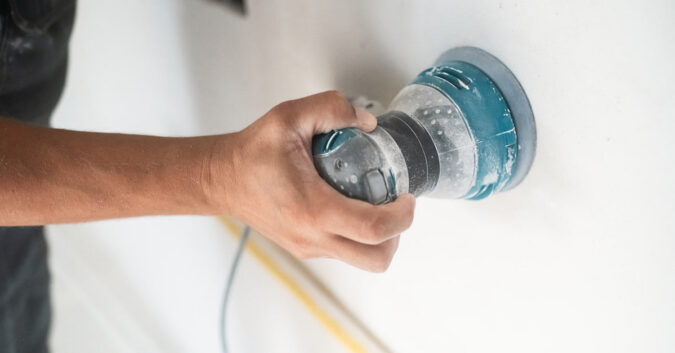
If you sanded a surface and later found out it contained asbestos, you're probably wondering how worried you should be. A single, brief exposure to asbestos during sanding is unlikely to cause immediate health problems — but it's not something to brush off either.
Sanding is one of the most dangerous ways to disturb asbestos because it grinds the material into a fine dust, releasing microscopic fibers into the air that can be inhaled deep into the lungs. Those fibers can't be seen, smelled, or felt, which is why so many people don't realize they've been exposed until long after the fact.
There is no safe level of asbestos exposure. While the risk of developing a serious illness increases with repeated or prolonged exposure, even a single event can introduce asbestos fibers into the body. Those fibers can remain lodged in the lining of the lungs or abdomen for decades.
Over time, this can lead to life-threatening diseases like mesothelioma, asbestos-related lung cancer, and asbestosis. Mesothelioma symptoms may not appear until 20-50 years after the exposure. It's critical to take the situation seriously now, even if you feel fine today.
As a national mesothelioma law firm, Sokolove Law has helped thousands of families affected by asbestos exposure understand their legal rights and options after a diagnosis.
How Asbestos Exposure Happens During Sanding
Asbestos is only dangerous when it's disturbed, and sanding is one of the worst ways to disturb it. When asbestos-containing materials are intact, the fibers stay locked in place and don't pose an immediate threat.
But the moment you run a sander, scraper, or even coarse sandpaper across a material that contains asbestos, you break it apart at a microscopic level, releasing tiny fibers into the air that are invisible to the naked eye.
Anyone in or near the space can inhale or swallow asbestos fibers without knowing it. Worse, because the fibers are so tiny, many don't realize they're covered in these materials, so they bring the danger home with them, exposing family secondhand.
Here's what happens once asbestos fibers enter the body:
- Fibers Lodge in Tissue: Inhaled asbestos fibers travel deep into the lungs and can work their way into the mesothelium, the thin protective lining that surrounds the lungs, abdomen, and heart.
- The Body Can't Break Them Down: Unlike most foreign particles, asbestos fibers are too durable for the body to dissolve or expel, so they remain embedded indefinitely.
- Chronic Inflammation Develops: Over time, the trapped fibers cause persistent irritation and scarring in the surrounding tissue, damaging cells at the DNA level.
- Diseases Develop Silently for Decades: This cellular damage accumulates slowly, often with no symptoms for 20 to 50 years after exposure.
- Serious Illnesses Emerge: Decades later, this damage can result in life-threatening diseases, including mesothelioma, lung cancer, and asbestosis.
Because of the long latency period, many people who sanded asbestos-containing materials years or even decades ago are only now being diagnosed with these diseases.
That's what makes asbestos exposure so dangerous — by the time you know something is wrong, the damage has been building for a very long time.

"I was exposed to asbestos poisoning through the construction business. I worked 43 years in this construction business, residential, commercial, and industrial. If you don't work, you don't get paid. I always worked."
– John, Stage 4 Pleural Mesothelioma Survivor & Firm Client
Where Is Sanding Asbestos Most Likely to Occur?
Sanding asbestos can happen anywhere people are working on materials made before asbestos regulations took effect in the 1980s. In many cases, the person doing the sanding may have no idea the material contains asbestos until after the work is done.
Asbestos fibers are invisible, and many common building materials and products don't look or feel any different whether they contain asbestos or not.
Common settings where people sand asbestos-containing materials include:
- Older homes during DIY renovations: Homeowners scraping popcorn ceilings, sanding asbestos walls before repainting, refinishing hardwood floors with old adhesive, or stripping textured coatings in homes built before 1980 are among the most frequent cases of accidental asbestos exposure.
- Construction and remodeling job sites: Contractors, drywall finishers, and painters working in older commercial and residential buildings may sand joint compound, plaster, or cement board without realizing it contains asbestos — especially when previous testing wasn't done or records are incomplete.
- Flooring removal projects: Vinyl floor tiles manufactured before the 1980s often contained asbestos, as did the black mastic adhesive used to bond them to the subfloor. Sanding or grinding either material releases fibers into the air.
- Auto repair shops: Mechanics who sand or grind brake pads, clutch plates, and gaskets can be exposed to asbestos fibers that were commonly used in automotive friction products for much of the 20th century.
- Schools, churches, and public buildings: Maintenance workers and renovation crews working in aging public buildings frequently encounter asbestos in ceiling tiles, insulation, and wall materials that may have gone undisturbed for decades.
- Shipyards and industrial facilities: Workers maintaining or decommissioning older ships, power plants, and factories may sand surfaces coated or insulated with asbestos-containing materials.
If a product was made or a building constructed before 1980, there's a real possibility that asbestos is present. Sanding any of those materials without testing first is one of the fastest ways to put yourself at risk.
If you're unsure, the safest approach is always to have the material tested by a licensed professional before doing any work.
How Long Does Asbestos Stay in the Air After Sanding?
Asbestos fibers can remain airborne for 48 to 72 hours or longer after being disturbed by sanding, depending on ventilation, room size, and how aggressively the material was disturbed. In enclosed or poorly ventilated spaces, fibers can linger even longer.
And once they settle on surfaces like floors, furniture, clothing, or countertops, they can become airborne all over again from something as simple as walking through the room, sweeping, or opening a door.
This cycle of resuspension is why professional abatement with HEPA-rated equipment is so important, and why cleaning up asbestos dust with a household vacuum or broom can actually make the situation worse.
What Materials Might Contain Asbestos?
Accidental asbestos exposure is common because of how much it was used throughout the 20th century. By the early 1970s, more than 3,000 different types of products contained asbestos, and construction materials like pipes, siding, and roofing alone accounted for more than 90% of all asbestos use.
Worse, there's no way to tell whether something contains asbestos just by looking at it, touching it, or smelling it. The only way to know for sure is to have a sample tested by a certified lab, which many workers or DIYers don't want to take the time or expense to do.
Be careful sanding any of the following materials in a home, building, or vehicle made before 1980:
- Automotive brake pads, clutch facings, and gaskets
- Cement board and transite siding
- Insulation around pipes, boilers, and ductwork
- Joint compound and drywall mud
- Plaster walls and patching compounds
- Popcorn ceilings and textured wall coatings
- Roofing shingles, felt, and flashing
- Vinyl floor tiles and the black mastic adhesive beneath them
- Window glazing and caulking
This isn't an exhaustive list. Asbestos was added to everything from paint and putty to insulation and safety clothing.
If you sanded a material and aren't sure what it contained, don't guess. Have it tested, and talk to your doctor about the potential exposure.
What to Do Right Now If You Accidentally Sanded Asbestos
If you've just discovered or even suspect that the material you were sanding contains asbestos, the most important things to do are stop working immediately, leave the area, and don't try to clean it up yourself. Sweeping, vacuuming, or wiping down surfaces with household tools will only send more fibers into the air.
The goal right now is to limit further exposure, contain the affected area, and get professionals involved as quickly as possible.
Here's what to do if you sanded asbestos:
- Stop all work and leave the area. Don't try to finish the job or clean up first. The longer you stay in the space, the more fibers you're breathing in.
- Don't sweep, vacuum, or dust. A regular household vacuum will blow asbestos fibers right back into the air. Sweeping and wiping do the same. You'll make the contamination worse, not better.
- Seal off the room. Close doors, shut off HVAC systems, and cover vents or openings with plastic sheeting and tape if you can do so without spending extended time in the space. The goal is to keep fibers from spreading to the rest of your home.
- Remove and bag your clothing. The clothes you were wearing while sanding are likely covered in fibers. Carefully remove them, seal them in a plastic bag, and shower thoroughly. Don't shake them out or toss them in the laundry.
- Get the material tested. Contact a certified asbestos testing lab or licensed inspector to confirm whether the material contains asbestos. Don't rely on the age of your home or the appearance of the material to make that determination — testing is the only way to know.
- Call a licensed asbestos abatement professional. If the material tests positive, do not attempt to clean up the area yourself. Professional abatement crews use HEPA filtration, negative air pressure, and specialized containment procedures that household tools can't replicate.
- See your doctor and mention the exposure. Even if you feel fine, let your physician know what happened. They can document the exposure in your medical record, recommend baseline testing if appropriate, and help you monitor for symptoms over time.
The most important thing to understand is that cleaning up asbestos is not a DIY job. Well-meaning attempts to wipe down surfaces or vacuum up dust can resuspend fibers and spread contamination into areas that were previously unaffected — putting you, your family, and even your neighbors at additional risk.
How Dangerous Is a One-Time Asbestos Exposure?
According to the Occupational Safety and Health Administration (OSHA), there is no "safe" level of asbestos exposure for any type of asbestos, and exposures as short as a few days have caused mesothelioma.
Even a single sanding session in a poorly ventilated room can introduce enough fibers into your lungs to pose a real, long-term health risk. A brief sanding job in a well-ventilated space with low-concentration materials carries less risk than hours of heavy sanding in a sealed room with no respiratory protection.
"Asbestos material that would crumble easily if handled, or that has been sawed, scraped, or sanded into a powder, is more likely to create a health hazard."
– U.S. Consumer Product Safety Commission
Asbestos-related diseases like mesothelioma have a latency period of 20 to 50 years, so the consequences of a single exposure may not become apparent for decades.
By the time symptoms appear (persistent cough, chest tightness, shortness of breath, and unexplained weight loss), the disease is often already advanced. A one-time exposure doesn't mean you'll get sick, but it does mean you were exposed to a known carcinogen with no safe threshold.
Who Is Most at Risk from Asbestos Sand?
While anyone who sands asbestos-containing materials is at risk, those who sand asbestos on the job face significantly higher exposure levels and more frequently than others. In many cases, the people most at risk are the ones least likely to know they're being exposed.
Workers and individuals with the greatest risk include:
- Auto Mechanics: Brake pads, clutch plates, and gaskets manufactured throughout the 20th century commonly contained asbestos. Sanding or grinding these parts, especially in enclosed shop environments, creates direct inhalation risks.
- Construction and Demolition Workers: Anyone tearing into walls, ceilings, or infrastructure in pre-1980 buildings risks disturbing asbestos in insulation, cement board, roofing materials, and dozens of other products.
- DIY Homeowners: They're often the most vulnerable because they're the least likely to test materials before starting work. Scraping popcorn ceilings, sanding walls, pulling up vinyl tiles — these are weekend projects that can turn into serious exposure events in homes built before 1980.
- Drywall Finishers and Painters: These tradespeople sand joint compound, plaster, and wall surfaces as part of their daily work. In older buildings, those materials frequently contain asbestos, and the fine dust generated by sanding can fill an entire room.
- Flooring Installers and Refinishers: Removing or sanding over old vinyl tiles, sheet flooring, and the black mastic adhesive underneath exposes workers to asbestos fibers that were standard in flooring products for decades.
- Maintenance Workers: Older institutional buildings like schools, churches, and public buildings are some of the most likely to contain asbestos, and routine maintenance or small repair projects can disturb materials that have sat untouched for decades.
- Family Members of Exposed Workers: Asbestos fibers cling to clothing, hair, skin, and tools. People who live with someone who sanded asbestos-containing materials can inhale those fibers at home without ever stepping foot on a job site — a risk known as secondhand or "take-home" exposure.
The risk also increases for people who smoke, as the combination of smoking and asbestos exposure raises the likelihood of developing lung cancer significantly compared to either risk factor alone.
Sadly, many of these exposures were entirely preventable — and the companies responsible may owe you compensation.
Asbestos Sanding Signs and Symptoms to Watch For
After exposure to asbestos, you won't feel sick right away. There are no immediate symptoms after sanding asbestos — no coughing fit, no rash, no warning sign that tells you fibers have entered your lungs. The damage happens silently, at the cellular level, over years and decades.
Most asbestos-related diseases don't produce noticeable symptoms until 20 to 50 years after exposure. By the time symptoms do appear, the disease is often in its later stages, which is why awareness and long-term monitoring matter so much, even if you feel perfectly fine today.
Watch for these mesothelioma symptoms over time:
- A persistent dry cough that doesn't go away or worsens over months
- Chest pain or tightness that isn't explained by other conditions
- Crackling sound when breathing (a potential sign of asbestosis)
- Difficulty swallowing or a persistent feeling of something caught in the throat
- Fatigue that doesn't improve with rest
- Shortness of breath, especially during physical activity that didn't previously cause it
- Swelling in the face or neck
- Unexplained weight loss or loss of appetite
None of these symptoms are exclusive to asbestos-related illnesses, which is why they're so often misdiagnosed or overlooked, especially in people who don't realize they were ever exposed. Many patients are diagnosed in the later stages, when the cancer is more advanced.
The single most important thing you can do is make sure your doctor knows about your exposure history. Even if it was a single sanding project years ago, that information can change how a doctor interprets symptoms down the line and may lead to earlier detection and better treatment options.
Financial Compensation for Sanding Asbestos & Mesothelioma
If you sanded asbestos-containing materials and were later diagnosed with mesothelioma, you didn't do anything wrong. The companies that made, sold, and used asbestos-containing building materials knew for decades that their products were dangerous.
Many of them chose to keep selling those products anyway, without warnings or safety instructions, because it was profitable. That decision is exactly why legal options exist for people in your situation.
Paths to financial compensation for asbestos-related illnesses include:
- Mesothelioma Lawsuits: If you've been diagnosed with mesothelioma or another asbestos disease, you may be able to file a lawsuit against the companies that made the materials you were exposed to. These cases seek compensation for medical bills, lost income, pain and suffering, and more.
- Wrongful Death Claims: If a loved one has passed away from an asbestos-related illness, surviving family members may be able to file a claim for funeral costs, lost financial support, and more.
- Asbestos Trust Funds: Many of the companies responsible for asbestos exposure have since filed for bankruptcy — but before doing so, they were required to set aside money in trust funds specifically to pay victims. More than $30 Billion is estimated to be available across these trusts today.
- Mesothelioma Settlements and Verdicts: Over 99% of asbestos cases are resolved through negotiated settlements before ever reaching trial, while others result in significant jury verdicts, though there's never a guarantee in court.
The average payout for mesothelioma is over $1 Million for patients and their families. Even if the exposure occurred decades ago, the statute of limitations for asbestos claims typically doesn't begin until the date of diagnosis, meaning it may not be too late to take action.
Many Sokolove Law clients begin receiving compensation in as few as 90 days after filing. You don't need to have all the answers right now — you just need to take the first step.
Sokolove Law: Fighting for Asbestos Exposure Victims Nationwide
At Sokolove Law, our mesothelioma lawyers have spent over 45 years standing up for clients who were exposed to asbestos through no fault of their own — homeowners, tradespeople, factory workers, veterans, and their families.
We've helped thousands of clients across all 50 states hold the companies responsible for their illness accountable, recovering more than $5.6 Billion total in financial compensation along the way.
There are never any upfront costs or hourly fees when you work with our team — we only get paid if we recover compensation for you.
Call (800) 647-3434 now or fill out our contact form to get a free case review. A mesothelioma diagnosis turns everything upside down, and the last thing you should have to worry about is how to pay for treatment.