
What Is the YouTube Addiction Lawsuit in 2026?
YouTube is a social media platform and website for creating and sharing videos that's used by about 92% of U.S. teens. However, research indicates that the platform was designed to keep users endlessly watching videos, potentially leading to mental health problems.
Many families are taking action by filing social media lawsuits against Google, YouTube's parent company, arguing that the tech giant deliberately fosters addiction in children who use the platform while turning a blind eye to the mental health consequences.
YouTube lawsuits allege the app:
- Uses design features like autoplay, infinite scrolling, and a recommendation algorithm to keep kids watching videos for hours
- Fails to protect children from cyberbullying and harmful content
- Can lead to anxiety, depression, and other mental health challenges in children and adolescents
- Focuses on profits and engagement instead of children’s safety
YouTube and other social media companies "built machines designed to addict the brains of children, and they did it on purpose."
– YouTube Attorney
A YouTube addiction lawsuit provides a path for families to seek compensation for medical care, therapy, and other costs while holding Google accountable for the physical and emotional harm their child has suffered.
At Sokolove Law, we understand the widespread devastation linked to YouTube addiction. With more than $10.6 Billion total secured for clients, we have what it takes to get the best possible results for families.
Get the Help You Deserve
Our social media addiction lawyers may be able to file a YouTube lawsuit and fight for compensation on your behalf. See if you qualify now.
Who Can File a YouTube Lawsuit?
Children and adolescents are most likely to experience YouTube addiction because their brains are not yet fully developed. They lack impulse control and are more vulnerable to tactics that social media apps use to drive engagement like bright colors and rapid scene changes.
YouTube uses algorithms that feed kids personalized, highly stimulating content that's immediately gratifying. This constant stream of content can become habit-forming, resulting in mental health issues and problems at home and school.
You may be able to file a YouTube addiction lawsuit if you or your child:
- May be addicted to using YouTube or other social media platforms (like Facebook or TikTok)
- Suffered physical or psychological harm as a result of the addiction
- Was under the age of 18 when the addiction began
Families only have a limited amount of time to file a YouTube addiction lawsuit due to state laws called statutes of limitations. By contacting a social media addiction attorney as soon as possible, you can prevent missing the deadline in your case.
Call (800) 995-1212 now to find out if you or your child may qualify for a YouTube lawsuit settlement. It costs nothing to speak with us.
How Do You Know If You're Addicted to YouTube?
Parents may find themselves worrying about how much time their child spends online and wondering whether they're addicted to YouTube.
For many children and adolescents, using YouTube becomes an obsession that can take over their lives and lead to harm. Compulsive use of YouTube can cause mental health problems like anxiety, depression, and more.
Warning signs of YouTube addiction may include:
- Spending a large portion of your day watching YouTube or thinking about when you can watch it next
- Feeling like you need to watch YouTube videos in order to relax or feel better
- Continuing to watch videos even when it starts causing problems in your life
- Trying to reduce your YouTube use but finding it difficult to stop
- Letting YouTube interfere with responsibilities like work, school, or family time
- Keeping your YouTube viewing habits secret from friends or family
- Feeling moody, irritated, or down when you attempt to stop watching YouTube
Children and teenagers are especially at risk because their impulse control and decision-making skills are not fully developed yet. Hours spent watching curated videos can cause the brain's reward system to go into overdrive and lead to lasting harm.
"There were times I wouldn’t communicate with anyone all day. It was isolationist and repetitive and hypnotic."
– Domingo Cullen, YouTube Addiction Victim
Google & YouTube Lawsuit Update 2025-2026
Thousands of families have taken legal action against Google, YouTube, and other social media apps, alleging they designed their platforms to be addictive. Victims claim these intentional design choices have resulted in serious harm.
Due to the large number of cases filed, many social media lawsuits have been consolidated into a multidistrict litigation (MDL), similar to a YouTube class action lawsuit. MDLs streamline litigation and allow families to share resources, often resulting in quicker resolution and access to compensation.
About the YouTube social media addiction lawsuit:
- Case name: In re: Social Media Adolescent Addiction/Personal Injury Products Liability Litigation (MDL-3047)
- Number of claims: At least 3,824 as of October 2026
- Plaintiffs: Individual victims, their families, states, school districts, and tribes
- Defendants: Google/Alphabet, Meta Platforms (Instagram and Facebook), ByteDance (TikTok), Snap Inc., and others
- Court: U.S. District Court for the Northern District of California
- Judge: Yvonne Gonzalez Rogers
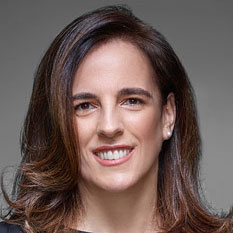
“I’m a voice for families who have been hurt by these platforms. I’m committed to ensuring that these companies understand it’s unacceptable to prioritize profits over the well-being of our children and communities.”
– Ellyn Hurd, YouTube Addiction Lawyer
YouTube addiction lawsuits claim Google purposefully designed the platform to be addictive despite the potential harm to millions of children who watch their videos daily.
Find out about the latest YouTube lawsuit updates and what they could mean for your family.
California Fights YouTube's Attempt to Block Algorithm Restrictions for Kids
California Attorney General Rob Bonta is urging a federal judge to reject Google's request to block enforcement of a state law restricting how platforms like YouTube can use algorithms to deliver personalized content to children.
Under California's Protecting Our Kids From Social Media Addiction Act (SB 976), online platforms face restrictions on providing personalized feeds to users under 18 without parental consent, along with limits on notifications and other potentially addictive features.
Google, TikTok, and Meta are challenging the law, but Bonta argues the companies have presented no new evidence showing they are likely to succeed or would suffer irreparable harm if the restrictions remain in place.
Families Sue YouTube, Other Social Media Apps over 4 Children's Deaths
The families of 4 children who died by suicide filed a lawsuit against YouTube and other social media companies, alleging addictive designs and recommendation algorithms exposed their children to harmful content.
According to the complaint, the children began using social media as young as 10 years old, with their use escalating during the COVID-19 pandemic.
The families claim YouTube and the other platforms prioritized engagement over child safety, contributing to devastating mental health consequences and ultimately the loss of their children.
"Google documents identified vulnerabilities specific to teens and cited a consistent increase of self-harm and suicide rates among adolescents, noting 'Teens are more vulnerable because their judgment and decision-making abilities are still being developed.'”
– YouTube Wrongful Death Lawsuit
YouTube Appeals $6 Million Social Media Addiction Verdict
YouTube has appealed the $6 Million verdict in a landmark California social media addiction lawsuit, challenging a jury's finding that the platform was designed in ways that contributed to a young woman's addiction and mental health harms.
The appeal follows a similar filing by Meta after a Los Angeles jury concluded that both companies' platform designs, including features like autoplay, were a substantial factor in the victim's injuries.
The YouTube lawsuit is closely watched because it was the first trial to hold major social media companies liable for allegedly addictive platform design, and its outcome could influence thousands of similar lawsuits.
Boston Sues YouTube and Other Apps Over Youth Mental Health Harms
In July 2026, the City of Boston joined the nationwide social media addiction litigation, filing a lawsuit against YouTube, Facebook, Instagram, TikTok, and Snapchat on behalf of Boston Public Schools and approximately 46,600 students.
Boston alleges that YouTube and the other platforms use addictive design features to keep young users engaged, contributing to worsening mental health among children and teens.
The city claims these practices have increased demand for counseling and other student support services, forcing schools to spend more resources addressing the effects.
YouTube Settlement Resolves Youth Social Media Harm Claims
YouTube has reached a confidential settlement with a 16-year-old Florida boy who alleged the platform's addictive design contributed to depression, anxiety, and sleep loss after he began using social media as a child.
He reportedly became addicted to social media after joining platforms around age 8. While YouTube resolved their claims, the case will continue against Meta, Snap, and TikTok, with a trial scheduled to begin in California on July 27, 2026.
“YouTube’s decision to resolve this case before having to face a jury speaks for itself.”
– YouTube Addiction Lawyer
YouTube to Contribute to $27 Million Kentucky School District Settlement
In May 2026, YouTube parent company Alphabet agreed to pay approximately $2 Million as part of a broader $27 Million settlement resolving claims brought by Kentucky's Breathitt County School District.
The lawsuit alleged that YouTube and other social media platforms contributed to worsening mental health issues among students through features designed to maximize user engagement.
As part of the settlement, YouTube agreed to provide the district with specialized training related to Google Classroom and other educational tools.
$6 Million California YouTube & Meta Verdict
In March 2026, a Los Angeles jury awarded $6 Million to a young woman who alleged that her use of YouTube and other social media platforms contributed to serious mental health harm.
Jurors found that YouTube and Meta shared responsibility, with YouTube liable for 30% of the social media harm verdict, amounting to about $1.8 Million.
Attorneys argued that YouTube’s design, including their recommendation algorithm, autoplay features, and endless stream of personalized videos, can keep users engaged for extended periods. The victim reportedly started using YouTube at age 6.
YouTube Denies Addictive Design as Trial Nears Jury Decision
Lawyers for YouTube delivered closing arguments in a landmark social media addiction trial, arguing the platform should not be treated like other social media companies.
Throughout the case, YouTube’s legal team maintained that the platform is more like television and does not rely on the same features blamed for compulsive use.
However, the victim's attorneys pushed back, citing internal documents and testimony indicating that YouTube understood how autoplay, algorithmic recommendations, and endless video feeds could keep young users engaged for extended periods.
YouTube Denies Being Social Media
In February 2026, during opening statements in the first social media harm case to go to trial, lawyers for YouTube claimed that the app is an entertainment platform similar to Netflix — not a social network like Facebook.
The test case or bellwether trial involves a 20-year-old California woman who alleges that YouTube and Instagram created addictive apps that harmed her mental health. She allegedly suffered anxiety, depression, and body dysmorphia.
Her YouTube addiction attorney said she became hooked on the "digital casinos" when she was a child, pointing to internal Google documents that referred to features as "slot machines."
She had posted 284 videos on YouTube before graduating from elementary school.
YouTube Addiction Trial Gets Underway
In January 2026, a lawsuit accusing tech giants Meta and Google of intentionally designing their platforms to hook kids was set to be heard by jurors in a Los Angeles court. Snapchat and TikTok, who had also been named as defendants, settled right before the trial started.
At the heart of the YouTube addiction lawsuit are app features like auto-play videos, constant notifications, infinite scroll, and recommendation algorithms, which have allegedly led to depression, self-harm, and other mental health harm.
The families who have filed YouTube addiction claims are seeking monetary damages, as well as changes to how social media apps are designed.
"The public is going to know for the first time what social media companies have done to prioritize their profits over the safety of our kids."
– YouTube Addiction Lawyer
Blackout Challenge on YouTube Lawsuit Dismissed
In December 2025, a California federal judge dismissed a YouTube blackout challenge lawsuit that alleged YouTube and TikTok's reporting tools are defective and fail to remove dangerous videos, leading to fatal consequences for young users.
The TikTok and YouTube class action lawsuit was filed by parents whose children died playing a blackout or choking challenge, which was trending on YouTube and TikTok. One boy was 13 and another 15.
The TikTok and YouTube blackout challenge has led to a total of 1,227 deaths and 144 injuries, according to the lawsuit.
$170 Million Google YouTube Lawsuit Settlement
In 2019, Google and YouTube agreed to pay $170 Million to settle a lawsuit in which the Federal Trade Commission and the New York Attorney General accused them of collecting the personal information of kids under 13 without their parents' consent.
YouTube used the data collected to deliver targeted ads on kid-focused channels, generating millions in advertising revenue despite laws restricting this practice, according to the complaint.
The $170 Million Google YouTube lawsuit settlement is reportedly the largest penalty ever under the Children’s Online Privacy Protection Act (COPPA).
How to File a YouTube Lawsuit in 2026
At Sokolove Law, we know the dangers of YouTube addiction for children and adolescents, as well as the toll it can take on the entire family. Taking legal action can feel overwhelming, but our team works to make the process as easy and stress-free as possible.
Our YouTube addiction lawyers can:
- Provide a free case review to determine if you may be able to take legal action
- Collect evidence like medical records, company documents, and expert testimony to build your case
- File your YouTube addiction lawsuit against Google before any legal deadlines
- Negotiate a YouTube lawsuit settlement that provides compensation as quickly as possible
- Represent you in court and fight for compensation from a trial verdict if a settlement isn't reached
With a seasoned legal team fighting for your family, you can focus on what's truly important — your child's mental health, well-being, and future. Taking legal action is also a way to get closure and work toward healing.
For more than 45 years, Sokolove Law has gone toe-to-toe with corporations that prioritized profits at the expense of the people who used their products. Let us fight for your family.
YouTube Settlements & Verdicts
YouTube addiction claims provide families with a way to pursue justice and hold Google accountable for the harm suffered. The litigation is in the early stages, so there have been no public YouTube lawsuit payouts yet.
Families filing a YouTube lawsuit may be able to recover compensation from:
- YouTube lawsuit settlements: Both the family and Google agree to resolve the lawsuit for a negotiated amount of money without going to trial.
- Trial verdicts: If a settlement is unable to be reached, your claim could proceed in court, where a judge or jury would decide the outcome by issuing a YouTube verdict.
In January 2026, a $30 Million YouTube class action settlement resolved allegations that Google violated children's privacy by collecting sensitive data like their IP addresses and geolocation while they watched videos to target their ads. About 1 million households are believed to have been affected.
Money from a YouTube lawsuit could help families cover medical expenses, therapy, and other support, giving their children the best possible chance for recovery and a brighter future.
Billions Recovered Nationwide
At Sokolove Law, we’ve recovered over $10.6 Billion total for thousands of injured clients nationwide. Let us get you the results you deserve.
YouTube Addiction Statistics
Teenagers spend more time per day on YouTube than on any other social media app, according to Gallup. Researchers have linked excessive time on YouTube to a range of mental health issues.
YouTube addiction statistics can help families know when use may be problematic and when to seek help for a family member addicted to YouTube.
Get the latest YouTube addiction statistics:
- Teens report spending an average of 1.9 hours per day on YouTube, according to Gallup.
- 92% of teens ages 13-17 use YouTube, with TikTok coming in second at 68%, as per Pew Research.
- Pew Research reported that 17% of teens use YouTube almost constantly, with 43% using the app several times per day, and 18% using it about once per day.
- 94% of boys use YouTube compared to 89% of girls, the researchers found.
- Boys average 2.1 hours on the video-sharing app, while girls average 1.7 hours, the company reported.
- Black teens had the highest usage rate at 97%, followed by Hispanic teens at 92%, and white teens at 90%.
- 94% of teenagers in urban areas were YouTube users, compared to 93% in rural areas, and 90% in suburban areas, with those in lower-income households having the highest usage.
- A National Library of Medicine study found that 38.7% of participants showed severe YouTube addiction, spending time on the platform every day of the week, with 21.8% spending more than 5 hours per day on the platform.
- The researchers identified 4 primary patterns of problematic YouTube use: impaired control over usage, reduced interest in other activities, intense desire to watch videos, and failed attempts to cut back.
These statistics highlight how deeply YouTube is woven into teens’ daily lives and how easily normal use can turn into excessive or unhealthy habits. For some families, the impact extends beyond screen time and may contribute to serious mental health struggles.
"Young people turn to a variety of platforms, but YouTube stands out for being used by nearly all teens."
– Pew Research Center
Why Is YouTube Addictive?
Families claim that YouTube’s design is not neutral. Instead, they allege that the platform uses engagement-driven features intended to keep users watching for longer periods of time.
These design choices may make it difficult for some users, especially children and adolescents, to stop viewing videos.
Addictive YouTube features noted in lawsuits include:
- Autoplay: Videos automatically begin playing as soon as one ends. This removes the need for users to actively choose another video and can encourage extended viewing sessions.
- Infinite Scrolling Feeds: Users may find themselves swiping through an endless stream of videos. Because there is no natural stopping point, they may continue watching far longer than they intended.
- Short-Form Video Design: YouTube Shorts deliver quick bursts of highly stimulating content. These rapid clips can create a fast reward cycle that encourages users to keep scrolling for the next video.
- Algorithm-Driven Recommendations: YouTube’s recommendation system analyzes viewing behavior, such as watch history, likes, and viewing time, to deliver personalized video suggestions designed to keep users engaged.
- Attention-Grabbing Thumbnails and Titles: Bright thumbnails, exaggerated facial expressions, and curiosity-driven titles are designed to attract clicks and encourage users to keep watching additional videos.
- Push Notifications: Alerts sent to phones or devices prompt users to return to the platform, even after they have stopped watching.
- Highly Stimulating Visual Content: Many videos, especially content aimed at younger viewers, use bright colors, rapid editing, animation, and exaggerated characters to quickly capture attention and maintain engagement.
- Targeted Content Exposure: Some lawsuits allege that YouTube’s algorithm may recommend increasingly extreme or harmful content over time, including videos related to eating disorders, extreme dieting, or self-harm.
Although YouTube provides parental controls and screen-time tools, families claim these safeguards are limited and fail to address broader problems tied to the platform's design.
Get Help from a YouTube Attorney
When technology companies design their products to maximize engagement and time spent on screen, children and adolescents often end up paying the price. YouTube addiction has been linked to serious mental health issues that can affect kids well into adulthood
At Sokolove Law, our YouTube attorneys are dedicated to helping families hold Google and YouTube accountable for the harm they've caused.
Here's why families trust Sokolove Law:
- More than 45 years of standing up to powerful companies
- Nationwide support available for families in all 50 states
- No upfront costs or hourly fees — we only get paid if you do
- Over $10.6 Billion total recovered for clients
If you qualify, our team can guide you through the legal process, so you can focus on your child’s health and well-being.
Call (800) 995-1212 now or fill out our form to take the first step toward justice. Our team is standing by 24/7 to help.
YouTube Addiction Lawsuit FAQs
Is the YouTube addiction lawsuit real?
Yes. The YouTube addiction lawsuit is real, and claims have been filed by families, schools, and states accusing the video-sharing platform and their parent company Google of intentionally designing the app to be addictive to children.
At least 3,824 lawsuits against YouTube and other social media companies have been consolidated in a federal multidistrict litigation (MDL). This process allows for resource sharing and provides a more streamlined path toward justice.
Get a free case review now to learn about your legal options. If you or your child has been harmed, you may be eligible for compensation.
Why are YouTube Shorts so addictive?
YouTube Shorts are purposefully designed for quick, continuous viewing. The videos are short, autoplay one after another, and can be endlessly scrolled with a simple swipe.
Combined with personalized algorithm-driven recommendations, this format creates a steady stream of novelty that can trigger small bursts of dopamine in the brain’s reward system.
That feedback loop — watch, swipe, get something new — can make the experience feel highly engaging and keep users watching longer than they originally intended.
Is YouTube addiction a thing?
Yes. Researchers believe that problematic or addictive YouTube use can occur, especially when watching videos begins to interfere with daily life, relationships, school, or work. Excessive use of social media and video platforms may contribute to mental health concerns for some users, particularly children and adolescents.
Studies have even developed tools like the YouTube Addiction Scale to measure problematic behaviors like compulsive viewing, difficulty cutting back, and feelings of withdrawal when not using the platform.
What are the symptoms of YouTube addiction withdrawal?
Some users report uncomfortable feelings when they try to stop or significantly reduce the amount of time they spend on YouTube.
Symptoms of YouTube addiction withdrawal may include:
- Anxiety or restlessness
- Feeling bored or unable to focus
- Low mood or feeling down
- Irritability or frustration
- Strong urges to check YouTube
These reactions are sometimes described as withdrawal-like symptoms linked to excessive social media use that can affect users in all areas of their lives.
How do I stop a YouTube addiction?
If YouTube use is starting to interfere with your daily life, there are several steps that may help you reduce screen time and build healthier habits.
Tips to stop a YouTube addiction include:
- Set time limits
- Turn off notifications
- Replace screen time with other activities
- Seek support if needed
For many people, small changes to daily habits can make a big difference in reducing compulsive video watching.
Is the YouTube class action lawsuit legitimate?
Yes. Lawsuits against YouTube are real and currently being heard in U.S. courts as part of social media harm litigation against the video-sharing platform and other apps. The claims are part of a legal process known as multidistrict litigation, which is similar to a YouTube class action lawsuit.
Those who've been harmed may also qualify for compensation from a YouTube addiction lawsuit, which can help cover therapy and other expenses to treat a YouTube addiction.
Call (800) 995-1212 to see if we may be able to help you seek a YouTube lawsuit settlement.
How much will YouTube compensation be?
Generally speaking, YouTube compensation could range from $10,000 to over $1 Million in more severe cases, though there’s never a guarantee of success in any case.
Each YouTube lawsuit depends on the facts of each case, meaning that the amount of YouTube addiction compensation you may receive will be based on factors like the harm suffered, treatment costs, and more.
Families may be able to secure compensation to help cover:
- Medical bills for doctor visits or hospital stays
- Prescription drug costs to treat conditions like anxiety or depression
- Pain and suffering endured by the child and their family
- Therapy and counseling to support recovery
YouTube addiction compensation can lessen financial burdens tied to the harm suffered and help families access the resources needed to move forward toward a brighter, healthier future.
How do I find a YouTube lawyer near me?
If you believe YouTube or another social media platform contributed to you or your child’s mental health harm, finding the right YouTube lawyer starts with looking for a legal professional with the skills and resources to take on powerful technology companies.
Working with a national law firm like Sokolove Law gives you access to YouTube attorneys who have a long history of evening the playing field for everyday people and securing the results they deserve. See if we can fight for you — contact us now.
