
Where the Social Media Addiction Trials Stand in November 2026
Social media addiction trials have resulted in major jury verdicts and settlements. These lawsuits allege that tech companies designed addictive features that harmed children and teens by leading to conditions like anxiety, depression, eating disorders, and self-harm.
Rather than one trial, thousands of lawsuits are moving through federal and state courts. Families, school districts, tribes, and states have sued Meta, YouTube, TikTok, Snapchat, and other companies.
Where the social media addiction trials stand as of November 2026:
- Latest trial development: On November 2, 2026, Snapchat settled with two young plaintiffs during jury selection for the second Los Angeles social media addiction bellwether trial. Meta, TikTok, and YouTube had already settled, ending the trial before opening statements.
- Federal lawsuits: More than 4,309 cases are grouped together in federal multidistrict litigation (MDL 3047), allowing similar lawsuits to share evidence and pretrial proceedings. The next school district trial is scheduled for February 2027.
- California lawsuits: About 3,000 personal injury cases are coordinated separately in California state courts through a similar process called Judicial Council Coordinated Proceedings (JCCP). The cases produced the first social media addiction verdict, which totaled $6 Million.
- Parties suing: Families are seeking compensation for injuries to children and teens, while school districts are suing over harm to students and schools. State attorneys general have also filed separate lawsuits.
- Major verdicts and settlements: Among the biggest outcomes so far, Meta agreed to pay up to $17.1 Billion to settle state claims, while a New Mexico jury ordered the tech giant to pay $375 Million.
Families may still be eligible to file a lawsuit. State settlements generally pay governments, not individual families. Social media addiction lawsuits involving children and adolescents are continuing.
At Sokolove Law, we help families understand their legal options and pursue compensation for injuries linked to addictive social media features. We can help you determine if your family qualifies for a lawsuit, with no upfront fees or financial risk.
Get the Help You Deserve
Our social media addiction lawyers may be able to file a lawsuit and fight for compensation on your behalf. See if you qualify now.
How Social Media Addiction Trials Work
Social media addiction trials determine whether tech companies can be held responsible for harm caused by addictive features on their platforms.
Families, school districts, and states can bring lawsuits, with some cases selected to go before juries first.
Here's how the social media addiction trial process generally works:
- Evidence gathering: Attorneys review internal company documents, question witnesses, and collect evidence about alleged social media addiction and its effects.
- Early test trials: Courts select certain lawsuits, called bellwether cases, to go to trial first. Their results can help show how juries might decide similar claims.
- Verdicts or settlements: A jury may decide whether a company is liable and award compensation, or the parties may reach a social media addiction settlement without going to trial.
- Remaining lawsuits: Early trial results may influence future cases and settlement negotiations, but they don't automatically decide the outcome of other lawsuits.
Not every social media addiction lawsuit will go to trial. Each family's case is evaluated individually, and potential compensation depends on the injuries and circumstances involved.
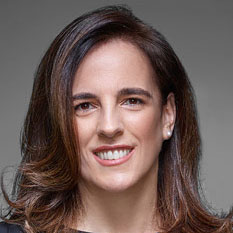
"I'm a voice for families who have been hurt by these platforms. I'm committed to ensuring that these companies understand it's unacceptable to prioritize profits over the well-being of our children and communities."
– Ellyn Hurd, Social Media Addiction Lawyer
Upcoming Social Media Trials
The next social media addiction trials are scheduled for October 28, 2026 in Los Angeles. These cases involve teenagers who allege that addictive social media features harmed their mental health.
Other upcoming proceedings involve lawsuits brought by school districts and state attorneys general. Although these cases address similar concerns about social media safety, they seek different types of relief.
| Trial Date | Case | Who Is Suing and Why? | Status |
|---|---|---|---|
| November 2, 2026 | S.J. and K.D.B. (Los Angeles Superior Court) | Two young plaintiffs alleging that addictive social media features caused harm. These are individual personal injury cases brought against Meta, YouTube, Snapchat, and TikTok. | All four companies reached agreements with both plaintiffs. Snapchat settled last, ending the trial during jury selection. Settlement amounts were not disclosed. |
| To Be Determined | Texas v. TikTok (Texas state court) | The Texas attorney general is seeking financial penalties over allegedly misleading statements about child safety. | A judge has ruled against TikTok on liability. Financial penalties remain to be determined. |
| February 2027 | School district trial (Federal MDL) | A school district alleges that social media platforms harmed students and placed additional demands on schools. | This trial will test claims brought by a school district as part of the larger federal litigation. |
At Sokolove Law, our social media addiction lawyers help families take legal action against social media companies over injuries allegedly linked to addictive platform features.
Call (800) 995-1212 now to see if you may qualify for a social media lawsuit settlement. It costs nothing to speak with us.
Social Media Trial Timeline & Latest Updates
Social media addiction lawsuits have resulted in major verdicts and settlements in 2026, with more trials still ahead.
Major social media trial developments include:
- November 2, 2026: Snapchat reached settlements with both plaintiffs in the second Los Angeles social media addiction bellwether trial. Meta, TikTok, and YouTube had already settled, bringing the trial to an end during jury selection.
- October 30, 2026: Meta settled claims brought by both plaintiffs in the second Los Angeles social media addiction bellwether trial, joining TikTok and YouTube in resolving their cases. Snap is now the sole remaining defendant.
- October 28, 2026: Jury selection began in the second bellwether trial involving allegations that social media platforms linked to Meta and Snap Inc. caused harm to 2 teens.
- October 20, 2026: Meta agrees to review 170,000 previously withheld documents that could reveal new evidence in upcoming social media addiction trials.
- September 25, 2026: TikTok agrees to pay Alabama at least $100 Million to settle child safety claims before trial.
- August 26, 2026: Meta reaches a settlement worth up to $17.1 Billion with state governments over allegations that their platforms harmed children and teens.
- August 6, 2026: New Mexico court rulings against Meta reach $942 Million, including penalties for consumer protection violations and funding for youth mental health programs.
- May 29, 2026: A Kentucky school district reaches $27 Million in settlements with Meta, TikTok, Snapchat, and YouTube before the first scheduled federal bellwether trial.
- March 25, 2026: A Los Angeles jury awards $6 Million in the first personal injury trial over social media addiction, finding Meta and YouTube negligent.
The timeline below highlights major trial developments involving families, school districts, and state governments, starting with the most recent.
Snapchat Settlements End Second Social Media Addiction Trial | November 2, 2026
Snapchat settled lawsuits brought by two teenagers who alleged that addictive social media features contributed to depression, anxiety, and eating disorders. The settlement amounts were not revealed.
The agreements came during jury selection for the second Los Angeles social media addiction bellwether trial. The plaintiffs, identified as S.J., 16, and K.D.B., 18, alleged that features such as infinite scrolling and autoplay encouraged compulsive use.
Snapchat was the last remaining defendant, following earlier settlements involving Meta, TikTok, and YouTube. The agreements ended the trial before opening statements, avoiding what would have been Snapchat's first jury trial over social media addiction claims.
Meta Settlements Leave Snapchat as Sole Defendant in Social Media Trial | October 30, 2026
Meta reached a settlement with an 18-year-old plaintiff who alleged that Instagram and Snapchat contributed to depression, an eating disorder, suicidal thoughts, and self-harm during childhood.
The agreement came during jury selection for the second Los Angeles social media addiction bellwether trial. Meta had already settled with the other plaintiff, while TikTok and YouTube previously resolved claims brought by both.
Snap is now the only defendant remaining in the trial, which is expected to move forward in November 2026. The settlement amounts have not been disclosed.
Second Social Media Addiction Trial Begins in Los Angeles | October 28, 2026
Jury selection began in the second bellwether trial over allegations that social media companies designed addictive features that harmed children's mental health. Opening statements are expected in early November, and the trial is scheduled to conclude by December 22.
The Los Angeles trial involves 2 young plaintiffs who allege that features such as infinite scrolling, autoplay, and notifications encouraged compulsive social media use and contributed to serious mental health problems.
Meta and Snapchat are the remaining defendants. YouTube, Google, and TikTok reached settlements with the plaintiffs before trial. This marks the first time Snapchat will defend itself before a jury in the coordinated social media addiction litigation.
Meta to Review 170,000 Withheld Documents | October 20, 2026
In October 2026, Meta agreed to review approximately 170,000 documents they previously withheld or redacted in the federal social media addiction litigation. The agreement followed concerns about the company's use of attorney-client privilege to keep certain records confidential.
Meta must review 20,000 documents per week through December 30, 2026. An independent court-appointed official will examine samples of documents Meta continues to withhold to determine whether they should remain confidential.
The review could uncover additional evidence about what Meta knew regarding the potential risks of Facebook and Instagram to children and teens.
TikTok Reaches $100 Million Alabama Settlement | September 2026
In September 2026, TikTok agreed to pay Alabama at least $100 Million to settle allegations that the company misled families about the safety of their platform and the risks to children.
The agreement, reached before Alabama's scheduled trial, could increase to $300 Million depending on settlements with other states. It also includes changes intended to improve protections for younger users.
The social media settlement resolves Alabama's claims against TikTok but does not prevent families from pursuing separate social media harm lawsuits.
Meta Settles Mid-Trial for Up to $17.1 Billion | August 2026
On August 26, 2026, Meta settled claims brought by state attorneys general just 8 days after opening statements began in a federal trial in Oakland, California.
The trial was brought by California, Colorado, Kentucky, and New Jersey, which accused Meta of designing Instagram and Facebook to be addictive to minors and publicly downplaying the risks.
The states also alleged that Meta violated the Children's Online Privacy Protection Act (COPPA) by collecting data from users under 13 without parental consent. Instagram head Adam Mosseri testified in Meta's defense before the case settled.
About the $17.1 Billion Meta settlement:
- Resolves claims by 47 states, Washington, D.C., Puerto Rico, American Samoa, and the Northern Mariana Islands
- Guarantees about $12.1 Billion paid over 10 years, with roughly $5 Billion more if Snapchat, TikTok, and YouTube adopt similar protections
- Requires a default 2-hour daily time limit for users under 18 across Facebook and Instagram, which only a parent can lift
- Blocks teen access to core features from midnight to 6 a.m. and mutes notifications during school hours
- Adds stronger safeguards against bullying, content promoting eating disorders, and content related to self-harm
- Appoints an independent auditor to monitor Meta's compliance going forward
U.S. District Judge Yvonne Gonzalez Rogers approved the consent judgment the same day. Meta did not admit wrongdoing.
On the same day, Texas also announced a separate settlement requiring Meta to pay the state more than $1 Billion and adopt similar teen safety features. Together, the two agreements total roughly $18 Billion.
“Meta intentionally exploited kids for profit and then lied about it, claiming its product[s] were safe when its own internal research confirmed the platforms were addictive and harmful.”
– Brian Schwalb, D.C. Attorney General
New Mexico Social Media Trial Results in $942 Million Against Meta | August 2026
New Mexico's lawsuit against Meta was the first state child safety case of its kind to reach a jury. Attorney General Raúl Torrez accused Meta of hiding how Facebook and Instagram exposed children to sexual exploitation, bullying, and mental health harm.
The case was tried in two phases:
- Phase 1 (jury trial): On March 24, 2026, jurors found Meta committed 75,000 violations of New Mexico's consumer protection law and set penalties at $375 Million.
- Phase 2 (bench trial conducted by a judge): After hearing evidence, Judge Bryan Biedscheid ruled on August 6, 2026, that Facebook and Instagram created a public nuisance. He ordered Meta to pay $567 Million into an abatement fund.
Of the $567 Million fund, $420 Million will go toward treating young people harmed by Meta's platforms, and $147 Million will fund prevention, awareness, and screening programs.
In his ruling, Judge Biedscheid compared Meta's platforms to a polluting factory, with harm to children as the pollution that must be cleaned up.
Meta must also make safety changes over the next 5 years, such as blocking unconnected adults from messaging minors and limiting notifications for teens overnight and during school hours. Meta indicated that they would appeal.
School District Reaches $27 Million Settlement | May 2026
In May 2026, Kentucky's Breathitt County School District reached approximately $27 Million in settlements with four social media companies before its scheduled federal trial. The school district alleged that social media platforms harmed students and placed additional demands on schools.
The settlements included:
The case was selected as an early test trial in federal multidistrict litigation, which includes lawsuits brought by both school districts and families. The next federal school district trial is scheduled for February 2027.
First Verdict in Social Media Trial Ends | March 2026
The first verdict in a social media trial ended in a $6 Million award against Meta and YouTube in March 2026.
The plaintiff, a 20-year-old California woman identified as K.G.M. or "Kaley," testified that she became addicted to social media as a child and that it worsened her depression, body dysmorphia, and suicidal thoughts.
Key moments from the K.G.M. social media addiction trial:
- Meta CEO Mark Zuckerberg testified and acknowledged that age limits on Instagram are hard to enforce.
- Zuckerberg was questioned about his decision to allow beauty filters mimicking plastic surgery after internal experts warned they could harm teen girls.
- Instagram head Adam Mosseri testified that 16 hours of use in a single day sounded like "problematic use" rather than clinical addiction.
- After more than 40 hours of deliberations, the jury found Meta and YouTube negligent and found that each failed to warn users about known dangers.
The $6 Million social media addiction verdict included $3 Million for Kaley's actual losses and $3 Million in punitive damages, split 70% to Meta and 30% to YouTube. That breaks down to $4.2 Million total owed by Meta and $1.8 Million by YouTube.
Judge Carolyn B. Kuhl denied Meta and YouTube's requests for a new trial in June 2026. Both companies have since appealed.
Get a free case review now to find out about your legal options and see if your family may qualify for a social media addiction settlement.
Meta Social Media Addiction Trial Updates
Meta, the parent company of Facebook and Instagram, has faced more social media addiction trials than any other company to date. Unlike TikTok and Snapchat, Meta has repeatedly chosen to defend itself in court, with costly results.
Key developments in Meta's social media addiction lawsuits include:
- October 30, 2026: Meta reached a settlement with an 18-year-old plaintiff who alleged Instagram's addictive features harmed her mental health. The agreement follows an earlier settlement with the other plaintiff in the second Los Angeles social media addiction bellwether trial, resolving Meta's involvement in both cases.
- October 28, 2026: Meta returns to court for the second Los Angeles social media addiction bellwether trial, facing claims from 2 teens who allege that addictive platform features harmed their mental health.
- October 20, 2026: Meta agrees to review approximately 170,000 previously withheld or redacted documents in the federal litigation. The review could uncover additional evidence for future trials.
- August 2026: Meta agrees to pay up to $17.1 Billion to settle lawsuits brought by state governments, ending trials in California and Tennessee. The agreement also requires stronger teen safety protections.
- August 2026: A New Mexico judge orders Meta to pay $567 Million toward youth mental health programs, bringing the state's combined jury penalties and court-ordered payments to $942 Million.
- July 2026: A teenager identified as R.K.C. drops his remaining claims against Meta before a scheduled Los Angeles trial after settling with YouTube, TikTok, and Snapchat.
- May 2026: Meta agrees to pay $9 Million as part of a $27 Million settlement involving a Kentucky school district.
- March 2026: A Los Angeles jury awards $6 Million in the first personal injury trial against Meta and YouTube. Meta is assigned 70% of the damages ($4.2 Million) and has appealed.
Despite these major settlements and verdicts, Meta continues to face social media addiction lawsuits brought by families who allege that Facebook and Instagram harmed their children's mental health.
Upcoming trials could lead to additional verdicts, settlements, and new evidence about what Meta knew regarding the risks to younger users.
TikTok Social Media Addiction Trial Updates
TikTok and their parent company ByteDance have settled every social media addiction case scheduled for trial to date, which means no jury has yet heard the evidence against them.
However, TikTok continues to face legal challenges over allegations that their platform harmed kids.
Key developments in TikTok's social media addiction lawsuits include:
- October 2026: A Texas appeals court temporarily paused proceedings against TikTok while considering the company's appeal of a ruling that they misled users about their ability to protect children from harmful content. The court has not yet decided whether to extend the pause indefinitely.
- September 2026: TikTok agrees to pay Alabama at least $100 Million, potentially increasing to $300 Million, to settle child safety claims before the state's scheduled trial. The agreement requires stronger protections for teens, including screen time limits and age verification.
- September 2026: A Texas judge rules that TikTok violated the state's consumer protection law by misleading users about content moderation and its Restricted Mode safety feature. Financial penalties and other remedies remain to be determined.
- August 2026: TikTok settles with S.J., K.D.B., and P.M.Y., three young plaintiffs whose personal injury cases were selected for October trials.
- August 2026: TikTok and ByteDance agree to pay $400 Million to resolve a federal children's privacy lawsuit. The case is separate from the social media addiction litigation.
- June 2026: TikTok settles with R.K.C., a teenager whose social media harm trial was scheduled for July in Los Angeles.
- January 2026: TikTok reaches a confidential settlement with K.G.M. before the first personal injury trial, which later results in a $6 Million verdict against Meta and YouTube.
The financial terms of TikTok's individual settlements have not been disclosed. Although TikTok has avoided jury verdicts in those cases, other lawsuits involving the platform are continuing.
YouTube Addiction Trial Updates
YouTube and their parent company, Google, face lawsuits alleging that the platform's addictive design features have contributed to serious mental health problems in children and teens.
The company has faced jury verdicts and reached settlements as social media addiction litigation continues nationwide.
Key developments in YouTube's social media addiction lawsuits include:
- June 2026: YouTube reaches a confidential settlement with R.K.C., a 15-year-old Florida boy who alleged that social media addiction contributed to depression, anxiety, and sleep problems. His case was scheduled to become the second personal injury trial in Los Angeles.
- May 2026: YouTube agrees to pay approximately $2 Million as part of a $27 Million settlement with Kentucky's Breathitt County School District before the first scheduled federal bellwether trial.
- March 2026: A Los Angeles jury finds YouTube negligent in the first social media addiction personal injury trial, awarding $6 Million to plaintiff K.G.M. YouTube is assigned 30% of the damages ($1.8 Million), including $900,000 in punitive damages.
- January 2026: TikTok and Snapchat settle with K.G.M. before trial, leaving YouTube and Meta to defend themselves before a jury.
YouTube has argued that their platform is more like television than a traditional social network. However, jurors have disagreed, finding YouTube negligent.
Snapchat Social Media Trial Updates
Snapchat parent company Snap Inc. faces lawsuits alleging that its platform's addictive features and inadequate safety protections have harmed children and teens.
The company has reached settlements in several cases while continuing to face legal challenges over social media addiction and child safety.
Key developments in Snapchat's social media addiction lawsuits include:
- November 2, 2026: Snapchat reached settlements with two teenagers who alleged that addictive platform features contributed to depression, anxiety, and eating disorders. The agreements ended the second Los Angeles social media addiction bellwether trial during jury selection, before Snapchat faced a jury for the first time over these claims.
- October 30, 2026: Snap is now the sole defendant in the second Los Angeles social media addiction bellwether trial after Meta settled claims brought by both plaintiffs. Snap faces allegations that their addictive platform features contributed to mental health problems in young users.
- October 28, 2026: Snapchat faces a jury for the first time in the social media addiction litigation as jury selection begins in Los Angeles. Snap and Meta are defending claims brought by 2 teenagers after YouTube and TikTok settled before trial.
- July 2026: Snap reaches a confidential settlement with R.K.C., a 15-year-old Florida boy who alleged that addictive social media features contributed to depression, anxiety, and other mental health problems. The agreement came days before his scheduled Los Angeles trial.
- May 2026: Snap agrees to pay $8 Million to settle claims brought by Kentucky's Breathitt County School District before the first scheduled federal bellwether trial.
- January 2026: Snap becomes the first company to settle with K.G.M., whose lawsuit resulted in a $6 Million jury verdict against Meta and YouTube. Snap CEO Evan Spiegel had been expected to testify but was removed from the witness list after the settlement.
The financial terms of Snap's individual settlements have not been disclosed. Snapchat continues to face other social media addiction lawsuits involving alleged harm to children and teens.
Billions Recovered Nationwide
At Sokolove Law, we’ve recovered over $10.6 Billion total for thousands of injured clients nationwide. Let us get you the results you deserve.
Social Media Trial Verdicts
Social media companies have faced billions of dollars in jury verdicts and court-ordered penalties over allegations involving addictive platform features, child safety, and data privacy.
While not all of these cases involve social media addiction, the outcomes show how courts and juries have increasingly held major tech companies financially accountable.
Some of the largest social media trial verdicts and judgments include:
- $25 Billion Meta data privacy judgment (October 2026): A New Mexico judge ordered Meta to pay $25 Billion after a jury found that Facebook misled users about how their personal information was collected and shared.
- $942 Million Meta child safety judgment (August 2026): A New Mexico court ordered Meta to pay $567 Million toward youth mental health programs, following a $375 Million jury verdict. The state alleged that Meta misled families about risks involving addiction, sexual exploitation, and harmful content.
- $6 Million social media addiction verdict (March 2026): A Los Angeles jury found Meta and YouTube negligent in the first personal injury trial involving alleged social media addiction.
These verdicts and judgments do not guarantee compensation in other lawsuits. Each case involves different evidence, legal claims, and potential damages. State penalties generally go to government funds rather than individual families.
If your child suffered serious mental health problems after using social media, your family may be entitled to compensation. Sokolove Law can help you understand your legal options and pursue justice.
Call (800) 995-1212 now to find out if you qualify for a social media addiction lawsuit. It's free to speak with us, and there are no upfront fees.
Social Media on Trial: Key Court Rulings Shaping the Litigation
Several major court rulings have allowed social media addiction lawsuits to move forward despite efforts by tech companies to have them dismissed.
These decisions have helped establish how claims involving addictive platform design, inadequate safety warnings, and harm to young users can be presented to juries.
Important rulings in the social media addiction litigation:
- Section 230 does not prevent lawsuits from proceeding (August 2026): The 9th Circuit Court of Appeals dismissed Meta and TikTok's attempts to immediately appeal rulings allowing thousands of social media addiction claims to move forward. The court held that Section 230 provides a defense against liability, not immunity from being sued.
- Judge refuses to overturn $6 Million verdict (June 2026): Los Angeles Superior Court Judge Carolyn Kuhl rejected Meta and YouTube's requests to overturn the first social media addiction verdict or order a new trial. The companies subsequently appealed.
- Massachusetts lawsuit allowed to proceed (April 2026): The Massachusetts Supreme Judicial Court ruled that Meta must face state claims alleging Instagram was designed to encourage compulsive use among children and that the company misrepresented safety.
- Platform design claims can go to a jury (November 2025): Judge Kuhl rejected efforts to dismiss the K.G.M. case before trial, allowing jurors to decide whether features like infinite scrolling, autoplay, and notifications contributed to her injuries.
- Social media executives ordered to testify (October 2025): Judge Kuhl ordered Meta CEO Mark Zuckerberg, Instagram head Adam Mosseri, and Snap CEO Evan Spiegel to testify in person, finding that their knowledge of potential harms and decisions about safety measures could be relevant to the claims.
Many social media addiction lawsuits focus on how platforms are designed to keep users engaged, rather than simply the content users post.
Courts have allowed certain design-related claims to proceed despite Section 230 defenses, giving families opportunities to present evidence of alleged harm to juries.
At Sokolove Law, our experienced social media addiction lawyers are following these rulings closely and helping families understand how they may affect their ability to pursue compensation.
What the Social Media Lawsuit Trial Results Mean for Families
The 2026 social media addiction trials marked a turning point for families seeking accountability from major tech companies.
Juries have found companies responsible for harm to young users, while several others have reached multimillion- and multibillion-dollar settlements. However, not every social media settlement provides compensation to individual families.
Who receives compensation depends on the type of lawsuit:
- State attorney general settlements, like Meta's $17.1 Billion agreement and TikTok's Alabama settlement, provide funding to state governments for youth mental health and online safety initiatives. They don't pay individual victims.
- School district settlements compensate schools for costs associated with addressing student mental health issues and other alleged harms linked to social media use.
- Personal injury lawsuits, like the K.G.M. case, allow individuals harmed by alleged social media addiction to seek compensation for medical expenses, emotional distress, and other damages.
The first social media addiction verdict and other bellwether trials may help shape how future cases are resolved. These trials give both sides a better understanding of how juries respond to evidence and could influence future social media lawsuit settlements.
For families whose children have suffered serious mental health problems linked to social media addiction, legal options may still be available, even if a company has already reached a major settlement with state governments.

"Adolescents are particularly vulnerable to these products while their brains are still developing. If the person who experienced harm is still a minor, a parent or legal guardian may be able to bring a claim on their behalf.”
– Ricky LeBlanc, Managing Attorney at Sokolove Law
Get Help from Our Social Media Addiction Lawyers
The social media addiction trials have brought greater attention to the potential harm platforms like Facebook, Instagram, YouTube, TikTok, and Snapchat can cause children and teens. While some cases have ended in major verdicts and settlements, thousands of lawsuits are still moving forward.
At Sokolove Law, we believe families deserve answers and accountability when companies put profits ahead of children's safety. Our experienced social media addiction lawyers can help you understand your legal options and determine whether you may qualify for compensation.
Call (800) 995-1212 now or fill out our online form for a free, no-obligation case review. There are no upfront costs or hourly fees to work with us.
Social Media Addiction Trial FAQs
What is the social media trial about?
Social media addiction trials involve lawsuits alleging that Meta (Facebook and Instagram), YouTube, TikTok, and Snapchat deliberately designed their platforms to be addictive to children and teens.
Families claim that features like infinite scrolling, autoplay, and constant notifications contributed to serious mental health problems, including depression, anxiety, eating disorders, and self-harm. The trials seek to determine whether these companies can be held legally responsible.
If your child has been harmed by social media addiction, you may qualify for compensation. Contact Sokolove Law for a free case review.
Has there been a verdict in the social media case?
Yes. Several major verdicts and court judgments have been issued against social media companies in 2026, including cases involving addiction, child safety, and data privacy.
Notable social media trial results include:
- $25 Billion: A New Mexico court ordered Meta to pay $25 Billion in a data privacy case involving Facebook and the Cambridge Analytica scandal. The case was unrelated to social media addiction.
- $567 Million: A New Mexico judge ordered Meta to fund youth mental health and prevention programs after finding its platforms created a public nuisance.
- $375 Million: A New Mexico jury found Meta violated state consumer protection laws by misleading users about child safety risks.
- $6 Million: A Los Angeles jury awarded $6 Million to a young woman who alleged that Instagram and YouTube addiction harmed her mental health. Meta was assigned $4.2 Million and YouTube $1.8 Million.
Call (800) 995-1212 now to find out if your family may qualify for compensation through a social media addiction lawsuit.
Did Meta settle the social media addiction lawsuit?
Meta settled the claims brought by state attorneys general for up to $17.1 Billion in August 2026, plus a separate settlement of more than $1 Billion with Texas.
However, Meta has not settled the thousands of social media addiction lawsuits brought by families. Those cases are still moving forward.
Will families get money from the $17.1 Billion Meta settlement?
No. The $17.1 Billion Meta settlement pays state governments to fund youth mental health and online safety programs. It doesn't include payments to individual victims.
Families who want compensation for a child's social media addiction need to file their own personal injury lawsuit. Get a free case review to learn about your options.
Has TikTok gone to trial for social media addiction?
Not yet. TikTok has settled every social media addiction case scheduled for trial, including 5 personal injury cases, a Kentucky school district case, and Alabama's lawsuit. A Texas judge has ruled that TikTok misled users about child safety features, and a trial on penalties is expected.
Why do social media companies settle right before trial?
Settling before trial can allow a company to avoid a public social media addiction trial verdict, keep internal documents and executive testimony out of the courtroom, and limit the risk of punitive damages like those awarded in some cases.
Even if the terms aren't released to the public, social media settlements can provide meaningful compensation to affected families.
Can I still file a social media addiction lawsuit?
Yes. New social media addiction lawsuits are still being filed. However, each state has a statute of limitations that limits how long you have to take legal action.
Call (800) 995-1212 right now to see if you may be eligible. It costs nothing to speak with our team.
