
Why You Should See a Top Mesothelioma Doctor
It’s important to consider seeing a mesothelioma specialist since this cancer is incredibly rare, and general cancer doctors may not know how to properly treat it.
Specialists can provide the most effective treatments, help you join clinical trials, and tailor care to your diagnosis, potentially allowing you to improve your survival time and quality of life.
A mesothelioma specialist can help you:
- Explore essential treatment options
- Get an accurate mesothelioma diagnosis
- Join clinical trials that offer new therapies
- Manage symptoms and improve long-term comfort
- Meaningfully improve your life expectancy
- Receive care from a team of dedicated health care providers
- Understand how your cancer stage could impact care
Only 1 out of 1,753 U.S. doctors specializes in mesothelioma, making up much less than 1% (0.057%), according to numbers from the Association of American Medical Colleges (AAMC). While there are only 589 mesothelioma doctors, many have spent decades helping diagnose and treat this cancer.
Since there are only 3,000 new mesothelioma cases in the U.S. yearly, and many are diagnosed after the cancer has spread, it’s often vital for patients to see a specialist promptly.
Treatment for mesothelioma can be costly, and insurance usually doesn't cover all the expenses. Financial compensation may be available that can help families afford treatments and everyday living expenses.
Since 1979, Sokolove Law has secured over $5.6 Billion for thousands of mesothelioma victims and their families.
Contact Us Now
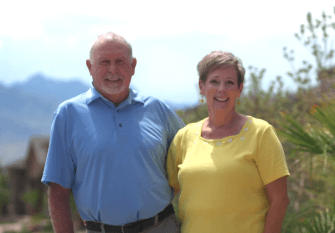 John & Dee Sokolove Law Clients
How to Choose a Mesothelioma Specialist
To choose a doctor, look for one who treats the specific type of mesothelioma you have. Mesothelioma can develop in several areas of the body, like the linings of the lungs, heart, abdomen, or testicles. Each requires its own unique treatments, and most doctors only treat one type.
Additionally, mesothelioma doctors often specialize in specific types of treatments, such as surgeries, chemotherapy, or radiation.
Make sure the doctor you’re considering offers the treatment needed for your type. For example, only 208 doctors in the U.S. (0.13%) offer thoracic surgery for pleural mesothelioma, which affects the lung lining.
Top mesothelioma specialists have:
- Affiliation with top cancer centers
- A good bedside manner with positive reviews
- Strong patient outcomes and peer-reviewed recognition
- The ability to help patients join clinical trials, if eligible
- Years, if not decades, of experience treating mesothelioma
Sokolove Law has registered nurses on staff who can help you understand your diagnosis and treatment options, as well as find a mesothelioma specialist near you.
Assessing all of your options ahead of time can help you move forward with choosing a mesothelioma specialist who’s best for you.
Free Mesothelioma Doctor Match Services
At Sokolove Law, we understand how difficult it can be to find a mesothelioma specialist near you while dealing with the physical and emotional impact of a cancer diagnosis.
That’s why we have a team of registered nurses who can provide personalized support, so you can move forward with confidence.
Our on-staff nurses can help patients:
- Find top mesothelioma doctors and specialists nearby
- Know which questions to ask when meeting with doctors
- Understand treatments like surgery, immunotherapy, and chemotherapy

“We have developed relationships with top specialists, so it's something that we can help navigate through that world of finding the best doctor to treat their disease.”
– Amy Fair, Registered Nurse
Mesothelioma treatment costs over $400,000 a year on average, but our national mesothelioma law firm may be able to pursue compensation on your family’s behalf.
Call (800) 647-3434 now for help understanding your medical and legal options following a mesothelioma diagnosis.
Pleural Mesothelioma Doctors
Pleural mesothelioma forms in the lining of the lungs (pleura) and is the most common type of this cancer, accounting for around 80% of cases. Only 480 (0.046%) of doctors in the U.S. routinely treat this type.
Pleural mesothelioma doctors often perform complicated surgeries like pleurectomy with decortication (P/D) and extrapleural pneumonectomy (EPP), as well as chemotherapy, radiation therapy, and immunotherapy.
Some of the top pleural mesothelioma doctors include:
- Dr. Raphael Bueno
- Dr. Robert Cameron
- Dr. Raja Flores
- Dr. Joseph Friedberg
- Dr. Taylor Ripley
- Dr. Jacques Fontaine
- Dr. Raffit Hassan
- Dr. Anne Tsao
- Dr. Andrea Wolf
Learn more about these pleural mesothelioma specialists, their experience treating this rare cancer, and where they practice.
Dr. Raphael Bueno
- Thoracic surgeon
- Boston, MA
- 20+ years of experience
Dr. Raphael Bueno is Chief of the Division of Thoracic Surgery at Brigham and Women’s Hospital, with additional affiliations at Harvard Medical School and Dana-Farber Cancer Institute. He is also co-director of Brigham’s Lung Center and the Lung Research Center, where he treats lung cancer and pleural mesothelioma.
Dr. Bueno leads the International Mesothelioma Program, which was founded in 2002 to help treat mesothelioma patients. A team of surgeons, oncologists, pulmonologists, and more work to offer the best treatments and support families.
In addition to his work treating patients, Dr. Bueno continues to study new therapies through ongoing research that could help improve the lives of more people affected by this rare cancer.
Dr. Robert Cameron
- Thoracic surgeon
- Los Angeles, CA
- 25+ years of experience
Dr. Robert Cameron is a Professor of Cardiothoracic Surgery and Surgical Oncology at UCLA Health System, where he treats civilians. He is also the Chief of the Division of Thoracic Surgery at the West Los Angeles VA, which serves veterans with mesothelioma.
Notably, Dr. Robert Cameron pioneered the use of a major type of pleural mesothelioma surgery, known as pleurectomy with decortication (P/D). This allows doctors to remove the lining of the lungs (pleura), visible tumors within the pleura, and other nonessential organs impacted by the cancer.
A P/D doesn’t involve the removal of a lung, which is a crucial component of the other main pleural mesothelioma surgery known as extrapleural pneumonectomy (EPP). Dr. Cameron believes that a P/D helps pleural mesothelioma patients and comes with a lower risk of long-term complications than an EPP.

“Many cancers grow into things. But most of the mesothelioma tumor is not attached too tightly to things in the chest. It kind of grows there, pushing on things but not into things. So you can pull it off. “It’s something similar to taking a peel off an orange. You peel it off.”
– Dr. Robert Cameron, Pleural Mesothelioma Specialist
Dr. Cameron also uses advanced surgical techniques, including video- and computer-assisted procedures, and helps eligible patients access cutting-edge care through clinical trials.
Dr. Raja Flores
- Thoracic surgeon
- New York, NY
- 25+ years of experience
Dr. Raja Flores is one of the nation’s most respected pleural mesothelioma surgeons. As Chairman for the Department of Thoracic Surgery at Mount Sinai Health System, he treats a large number of mesothelioma patients each year.
He’s considered a pioneer in surgically treating pleural mesothelioma, and he is capable of performing either an EPP or a P/D depending on each patient’s unique situation.
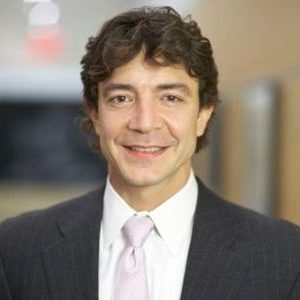
“At the time of surgery, we will do whatever we need to do to spare that lung. However, there are cases where the lung is so far gone, where they're not getting function from that lung. In those particular cases, when necessary, we will do an extrapleural pneumonectomy.”
– Dr. Raja Flores, Mesothelioma Specialist
Dr. Flores has also conducted research into multimodal treatment plans for pleural mesothelioma. These combine therapies like surgery, chemotherapy, and radiation to destroy as much cancer as possible.
Dr. Joseph Friedberg
- Thoracic surgeon
- Philadelphia, PA
- 30+ years of experience
Dr. Joseph Friedberg serves as the Thoracic Surgeon-in-Chief at Temple University Health System. He helped spearhead the use of P/D to surgically treat mesothelioma, which involves removing all visible tumors from the lung lining while leaving the lung alone.
Dr. Friedberg works with a team of experienced specialists at Temple to provide the best quality of life for patients facing mesothelioma.
He treats each patient he sees with care and compassion, tailoring their treatments to their unique needs, situation, and health status.
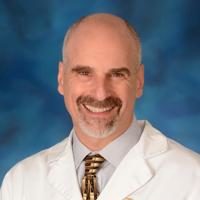
“I believe every patient has unique aspects to their case and, therefore, every treatment plan must be carefully, and thoroughly, individualized. I have a zero threshold to consult colleagues, or marshal any available resources, if I believe it will contribute to the care of my patients.”
– Dr. Joseph Friedberg, Pleural Mesothelioma Specialist
Dr. Robert Taylor Ripley
- Thoracic surgeon
- Houston, TX
- 15+ years of experience
Dr. Robert Taylor Ripley is the Director of the Mesothelioma Treatment Center at Baylor St. Luke’s Medical Center in Houston.
He is considered an expert in treating mesothelioma and other thoracic cancers, with extensive experience performing surgery on patients with pleural mesothelioma to improve outcomes.
Dr. Ripley also continues to study new ways to help pleural mesothelioma patients live longer, such as through the ongoing NEMO trial. This clinical trial combines surgery, immunotherapy, and chemotherapy to destroy as much of the cancer as possible.
His patient-centered approach focuses on improving both survival and quality of life for mesothelioma cancer patients.
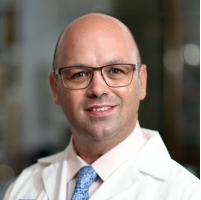
“Patients assume when they have mesothelioma, that they can't survive and can't live with the disease, even though many of our patients are walking around living relatively normal lives.”
– Dr. Robert Taylor Ripley, Mesothelioma Specialist
Outside of treating mesothelioma patients, Dr. Ripley has also served on the Board of Directors for the Mesothelioma Applied Research Foundation, a leading advocacy group dedicated to supporting patients and spreading awareness about the dangers of asbestos.
Dr. Jacques Fontaine
- Thoracic surgeon
- Tampa, FL
- 15+ years of experience
Dr. Jaqcues Fontaine is a nationally recognized thoracic surgeon who serves as the Section Head of the Mesothelioma Research and Treatment Center at Moffitt Cancer Center.
Dr. Fontaine graduated from Harvard Medical School in 2006, where he served as chief resident in thoracic surgery. He was also trained by the late Dr. David Sugarbaker, a well-known mesothelioma specialist.
Dr. Fontaine is experienced in advanced robotic surgeries, lung-sparing procedures, and multimodal treatment planning. He works with a team of doctors who can recommend a range of pleural mesothelioma treatments, like radiation and chemotherapy.

“When I sit down with the patient, and together with that patient, go over the different treatment options and which one to choose for that particular patient, we look at two things. One is the quantity of life we may offer them, and the other one is the quality of life that they would have.”
– Dr. Jacques Fontaine, Mesothelioma Specialist
Dr. Anne Tsao
- Medical oncologist
- Houston, TX
- 20+ years of experience
Dr. Anne Tsao serves as the Director of the Mesothelioma Program at the University of Texas MD Anderson Cancer Center in Houston. She specializes in the use of systemic treatments like chemotherapy and immunotherapy to help patients.
Dr. Tsao also takes part in research on mesothelioma and other types of cancers. She has contributed to over 100 clinical publications on topics like EPP surgery, immunotherapy, and new treatments.
Dr. Tsao is involved with organizations advocating for mesothelioma patients. She has held advisory roles with the Meso Foundation and the Southwest Oncology Group Mesothelioma Steering Committee.

“I would love for patients to know that there is hope. In my clinic, I have an entire team of clinic staff, as well as clinical research staff, that help our patients and are focused on just providing them the very best care.”
– Dr. Anne Tsao, Mesothelioma Specialist
Dr. Andrea Wolf
- Thoracic surgeon
- New York, NY
- 15+ years of experience
Dr. Andrea Wolf serves as the Director of the New York Mesothelioma Program at the Mount Sinai Health System, where she has treated patients since 2012.
Dr. Wolf specializes in surgeries, including minimally invasive and robotic-assisted procedures, and she is certified by both the American Board of Thoracic Surgery and the American Board of Surgery.
Dr. Wolf and her team have won numerous awards for their work treating mesothelioma from leading associations like the International Association for the Study of Lung Cancer and the Asbestos Disease Awareness Organization.
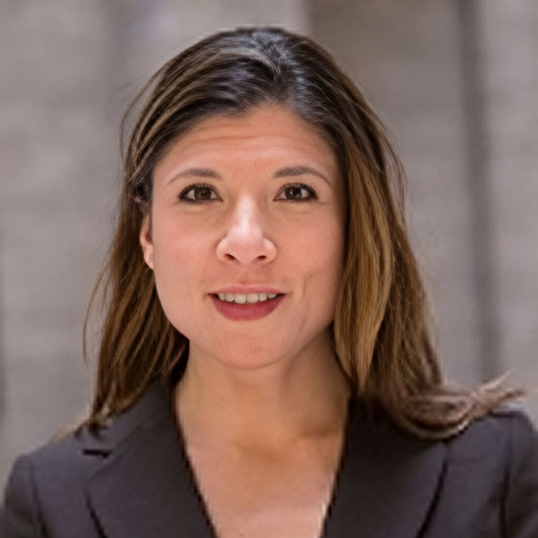
“I am very honest about the challenges of this disease and how mesothelioma really is a chronic disease. Yes, a lot of people die from it. But a lot of people can go on living for years with it. And the goal is to just continue living for as long as somebody is feeling well and doing well.”
– Dr. Andrea Wolf, Mesothelioma Specialist
More Top Pleural Mesothelioma Doctors
Pleural mesothelioma is treated at major cancer centers across the country, and many experienced thoracic surgeons and oncologists contribute to patient care and ongoing research.
Most of the top pleural mesothelioma doctors have years or even decades of experience, providing personalized care based on the stage of a patient’s cancer, its cell type, and the patient’s overall health.
Additional pleural mesothelioma specialists include:
- Dr. Adam J. Bograd – Thoracic surgeon, Swedish Cancer Institute, WA
- Dr. Bryan Burt – Thoracic surgeon, UCLA Health, CA
- Dr. Jeffrey Clarke – Medical oncologist, Duke Cancer Institute, NC
- Dr. Lorraine Cornwell – Thoracic surgeon, Baylor College of Medicine, TX
- Dr. Traves Crabtree – Thoracic surgeon, SIU Medicine, IL
- Dr. Marcelo DaSilva – Thoracic surgeon, AdventHealth Orlando, FL
- Dr. Linda Garland – Medical oncologist, University of Arizona Cancer Center, AZ
- Dr. David Harpole Jr. – Thoracic surgeon, Duke Cancer Institute, NC
- Dr. Raffit Hassan – Medical oncologist, National Cancer Institute, MD
- Dr. Eric S. Lambright – Surgical oncologist, Vanderbilt University Medical Center
- Dr. Rodney Landreneau – Thoracic surgeon, Penn Highlands DuBois Hospital, FL
- Dr. Dao Nguyen – Thoracic surgeon, University of Miami Health System, FL
- Dr. David C. Rice – Thoracic surgeon, MD Anderson Cancer Center, TX
- Dr. Lary Robinson – Thoracic surgeon, Moffitt Cancer Center, FL
- Dr. Valerie Rusch – Thoracic surgeon, Memorial Sloan Kettering Cancer Center
- Dr. Paul H. Schipper – Thoracic surgeon, Oregon Health & Science University, OR
- Dr. Matthew Steliga – Thoracic surgeon, University of Arkansas for Medical Sciences, AR
- Dr. James Stevenson – Medical oncologist, Cleveland Clinic, OH
- Dr. Jeffrey Velotta – Thoracic surgeon, Kaiser Permanente Northern California, CA
- Dr. Wickii Vigneswaran – Thoracic surgeon, James A. Haley VA Hospital, FL
- Dr. Nestor Ricardo Villamizar – Thoracic surgeon, Sylvester Comprehensive Cancer Center, FL
- Dr. Daniel Wiener – Thoracic surgeon, Brigham and Women’s Hospital, MA
- Dr. Dennis Wigle – Thoracic surgeon, Mayo Clinic, MN
- Dr. Marjorie Zauderer – Medical oncologist, WMCHealth, NY
At Sokolove Law, we have on-staff registered nurses ready to review your medical options so you can get the care you deserve.
Additionally, our asbestos attorneys may be able to recover compensation to help with treatment costs.
Billions Recovered Nationwide
At Sokolove Law, we’ve recovered over $5.6 Billion for thousands of mesothelioma patients and their families nationwide. Let us get you the results you deserve.
Top Peritoneal Mesothelioma Doctors
Peritoneal mesothelioma develops in the lining of the abdomen, which is known as the peritoneum. This type accounts for 10-15% of all mesothelioma diagnoses.
Notable peritoneal mesothelioma doctors include:
- Dr. Richard Berri
- Dr. Kamran Idrees
- Dr. Hedy Lee Kindler
- Dr. Daniel M. Labow
- Dr. Edward Levine
- Dr. Mecker Möller
- Dr. James Pingpank
- Dr. Claire Verschraegen
Top peritoneal mesothelioma doctors often use cytoreductive surgery to remove tumors followed by hyperthermic intraperitoneal chemotherapy (HIPEC), which destroys microscopic cancer cells. They may also recommend using systemic chemotherapy if surgery isn’t an option.
Of the 152,700 surgeons treating patients in the U.S., fewer than 150 know how to perform cytoreduction with HIPEC. This means only about 1 in every 1,000 surgeons can treat peritoneal mesothelioma with this combination.
Learn more about different peritoneal mesothelioma specialists across the country and how they work to help patients move forward after a diagnosis.
Dr. Richard Berri
- Surgical oncologist
- Detroit, MI
- 15+ years of experience
Dr. Richard Berri serves as the Chief of Surgical Oncology and Director of the Hyperthermic Intraperitoneal Chemotherapy Program at Henry Ford St. John Hospital in Michigan.
Dr. Berri established Michigan’s first comprehensive HIPEC program at Henry Ford, allowing him and his team to serve those facing peritoneal mesothelioma throughout the state and beyond.
To date, Dr. Berri has performed cytoreductive surgery with HIPEC over 500 times to treat peritoneal mesothelioma and other abdominal cancers, making him a leader in the use of this particular treatment combination.

“Anyone who is a potential candidate for cytoreduction with HIPEC, I would always encourage to seek opinions from different surgeons, especially those who might have as much experience as they can have in treating this disease.”
– Dr. Richard Berri, Mesothelioma Specialist
Dr. Kamran Idrees
- Surgical oncologist
- Nashville, TN
- 15+ years of experience
Dr. Kamran Idrees is the Director of the Peritoneal Surface Malignancy/HIPEC Program at Vanderbilt-Ingram Cancer Center in Nashville.
In 2012, he established Vanderbilt’s HIPEC program and has been helping patients with peritoneal mesothelioma and other abdominal cancers for over a decade.

“We give patients a higher dose of chemotherapy inside the abdominal cavity, and the logic behind it is the tumor is confined to the peritoneum or abdominal cavity surface only, so you can give a higher dose of chemo. It isn’t well absorbed into the bloodstream so you treat only the affected organs or region and minimize the side effects of the chemotherapy to the rest of the body.”
– Dr. Kamran Idrees, Peritoneal Mesothelioma Specialist
Dr. Idrees is experienced with different surgical techniques like cytoreduction and robotic-assisted options, and he has collaborated with other Vanderbilt specialists to offer additional mesothelioma treatments such as systemic chemotherapy.
In addition to his work treating peritoneal mesothelioma, Dr. Idrees continues to study new and more effective ways to treat abdominal and gastrointestinal cancers through research efforts.
Dr. Hedy Lee Kindler
- Medical oncologist
- Chicago, IL
- 25+ years of experience
Dr. Hedy Lee Kindler is the Director of the Multidisciplinary Mesothelioma Program at the University of Chicago Comprehensive Cancer Center. Under her direction, University of Chicago mesothelioma specialists can treat peritoneal mesothelioma using cytoreduction with HIPEC and other therapies.
She is committed to ongoing research and clinical trials for peritoneal mesothelioma, and she has co-authored over 220 medical publications. Patients value her warm communication style and commitment to tailoring treatments to meet their specific needs, improve life expectancy, or relieve symptoms.
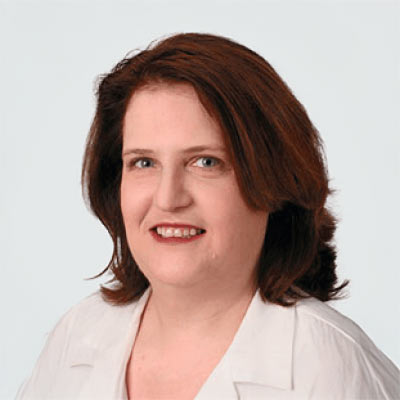
“If we can offer multiple options along the trajectory of their cancer, we have a better chance of being able to control the disease, helping to provide an improvement in both quality of life as well as length of life for our patients.”
– Dr. Hedy Lee Kindler, Peritoneal Mesothelioma Specialist
Dr. Kindler has also served in key positions with advocacy groups like the Meso Foundation’s Science Advisory Board, former faculty director for the International Symposium on Malignant Mesothelioma, and former president of the International Mesothelioma Interest Group.
Dr. Daniel M. Labow
- Surgical oncologist
- Danbury, CT
- 20+ years of experience
Dr. Daniel Labow is a surgical oncologist at Nuvance Health, where he serves as the Endowed Chair of Surgery with decades of experience treating patients with peritoneal mesothelioma.
To date, Dr. Labow has performed cytoreduction with HIPEC over 500 times to help those with peritoneal mesothelioma, and he is internationally renowned for his experience in this treatment.
Dr. Labow offers unique treatment plans for each patient, accounting for all options that could work depending on their unique situation. In addition, his continuous interest in cancer research means he can help eligible patients access newer therapies.

“I feel for a successful doctor-patient relationship, open and honest communication is critical. I will always listen to their needs and goals and, as a partnership, we will determine the next course of action. Open communication must go both ways to ensure effective, high-quality care.”
– Dr. Daniel Labow, Mesothelioma Specialist
Dr. Edward Levine
- Surgical oncologist
- Winston-Salem, NC
- 25+ years of experience
Dr. Edward Levine is Section Head of Surgical Oncology at Atrium Health Wake Forest Baptist in North Carolina. He’s been treating peritoneal mesothelioma and other cancers using cytoreduction with HIPEC since the 1990s, making him a leader in the use of this treatment.
Dr. Levine is proud to give hope to patients facing an aggressive peritoneal mesothelioma diagnosis, working with them to develop unique treatment strategies that best fit their needs.
Some of Dr. Levine’s peritoneal mesothelioma patients have lived for nearly 20 years thanks to treatment plans administered under his guidance. He’s also been ranked as a top cancer doctor by publications like Castle Connolly and Newsweek.
“After a mesothelioma diagnosis, you want someone who is experienced in treating the disease, so they know what all the options are, and want to make whatever is the best for the patient and clinical situation available to them.”
– Dr. Edward Levine, Mesothelioma Specialist
Dr. Mecker Möller
- Surgical oncologist
- Chicago, IL
- 20+ years of experience
Dr. Mecker Möller is the Director of the Regional Therapies Program at the University of Chicago Comprehensive Cancer Center. She treats patients using cytoreduction with HIPEC and other options depending on their unique needs.
Her Regional Therapies Program offers treatments that many other hospitals may not, allowing Dr. Möller and her team to provide hope to patients after a diagnosis.
Dr. Moller is also active in researching new ways to help peritoneal mesothelioma patients. Her work has been published in journals such as the American Journal of Surgery and the Annals of Surgical Oncology.

“I chose to become a cancer surgeon because I find that it is the perfect combination for using my heart, my mind, and my skills, so I can help individuals that are fighting a really bad disease.”
– Dr. Mecker Möller, Peritoneal Mesothelioma Specialist
Dr. James Pingpank
- Surgical oncologist
- Pittsburgh, PA
- 20+ years of experience
Dr. James Pingpank serves as Associate Professor of Surgery at the University of Pittsburgh Medical Center (UPMC) Cancer Pavilion. He has been using cytoreduction with HIPEC to treat peritoneal mesothelioma and other cancers within the abdomen for decades.
Dr. Pingpank can determine which peritoneal mesothelioma treatments will be most appropriate for a patient’s diagnosis, working with other experienced doctors to provide the best care possible.
Further, Dr. Pingpank and his colleagues continue to investigate newer therapies that could potentially help more peritoneal mesothelioma patients, such as the use of systemic options like immunotherapy.

“I do tell peritoneal mesothelioma patients that is the biggest battle they're going to be in. But, we certainly have patients who are alive years later.”
– Dr. James Pingpank, Mesothelioma Specialist
Dr. Claire Verschraegen
- Medical oncologist
- Columbus, OH
- 30+ years of experience
Dr. Claire Verschraegen is a Professor of Medical Oncology at Ohio State University’s James Cancer Hospital and Solove Research Institute. She offers systemic treatments like chemotherapy to help peritoneal mesothelioma patients potentially live longer.
Patients treated by Dr. Verschraegen consistently praise her bedside manner, with many citing her willingness to answer questions, thoroughly explain treatment options, and provide relevant updates through the course of care.
Dr. Verschraegen continues to explore new ways of treating peritoneal mesothelioma and other cancers through clinical trials and research studies. She’s published over 200 studies and has partnerships with organizations like the National Cancer Institute and the Southwest Oncology Group.

“It’s a privilege to help increase our understanding of why this happens, so that we can develop better treatments that improve outcomes for patients.”
– Dr. Claire Verschraegen, Mesothelioma Specialist
Other Peritoneal Mesothelioma Doctors
After a peritoneal mesothelioma diagnosis, seeking specialized care may help improve health care outcomes. Only around 300 cases of this cancer are diagnosed per year, and because it’s so rare, not every oncologist will know how to treat it effectively.
Fortunately, peritoneal mesothelioma doctors across the country are able to treat patients using cytoreductive surgery and HIPEC, as well as other options.
Other top peritoneal mesothelioma doctors include:
- Dr. H. Richard Alexander – Surgical oncologist, Rutgers Cancer Institute, NJ
- Dr. Joel Baumgartner – Surgical oncologist, UC San Diego Health, CA
- Dr. Adam J. Bograd – Surgical oncologist, Swedish Thoracic Surgery, WA
- Dr. Richard N. Berri – Surgical oncologist, Henry Ford Health, MI
- Dr. Eugene Choi – Surgical oncologist, Baylor College of Medicine, TX
- Dr. Shanel Bhagwandin – Surgical oncologist, Jupiter Medical Center, FL
- Dr. Clifford Cho – Surgical oncologist, University of Michigan Rogel Cancer Center, MI
- Dr. Sophie Dessureault – Surgical oncologist, Moffitt Cancer Center, FL
- Dr. Martin Goodman – Surgical Oncologist, Tufts Medicine, MA
- Dr. Joseph Kim – Surgical oncologist, University of Kentucky Markey Cancer Center, KY
- Dr. Corey J. Langer – Medical oncologist, University of Pennsylvania, PA
- Dr. Byrne Lee – Surgical oncologist, Stanford Cancer Center, CA
- Dr. Deepa Magge – Surgical oncologist, Vanderbilt University Medical Center, TN
- Dr. Norman Nicholson – Surgical oncologist, Johns Hopkins Medicine, MD
- Dr. Daryl Outlaw Jr. – Medical oncologist, University of Alabama O’Neal Comprehensive Cancer Center, AL
- Dr. Richard E. Royal – Surgical oncologist, MaineHealth, ME
- Dr. Kiran Turaga – Surgical oncologist, Yale Medicine, CT
- Dr. Nabil Wasif – Surgical oncologist, Mayo Clinic, AZ
- Dr. Edward Wang – Surgical oncologist, City of Hope Comprehensive Cancer Center, CA
- Dr. Ira Wollner – Medical oncologist, Henry Ford Health, MI
- Dr. Joshua Winer – Surgical oncologist, Emory Winship Cancer Institute, GA
- Dr. Dan Zuckerman – Medical oncologist, St. Luke’s Cancer Institute, ID
At Sokolove Law, we’re committed to helping mesothelioma patients and families. Our registered nurses can help review your medical options.
Additionally, our experienced asbestos attorneys may be able to file mesothelioma lawsuits that can help with treatment expenses.
Since 1979, Sokolove Law has secured more than $5.6 Billion for thousands of mesothelioma victims and their families.
Get a Free Case Review
Types of Mesothelioma Specialists
Mesothelioma doctors are considered oncologists, meaning they treat cancer. Within the broader oncology field, however, doctors typically specialize in a specific type of treatment, like surgery, chemotherapy, or radiation.
As a result, it’s standard practice at many cancer centers for patients to have an entire team of mesothelioma specialists working to improve their health outlook.
Mesothelioma oncology specialties include:
- Surgical procedures
- Chemotherapy and immunotherapy
- Radiation therapy
Only 2.1% of all oncologists in the U.S. are able to treat mesothelioma using at least one of the major treatments above.
Mesothelioma specialists typically collaborate throughout a patient’s care plan, ensuring that the treatments being recommended are the most effective and appropriate for their unique cancer type and stage.
Medical Mesothelioma Oncologists
Medical mesothelioma oncologists use systemic treatments to help treat this cancer. Systemic treatments are those that circulate through the body to help destroy mesothelioma tumors, kill cancer cells, and improve survival.
Systemic treatments used by mesothelioma medical oncologists include:
- Chemotherapy
- Immunotherapy
- Targeted therapy
There were 14,547 medical oncologists in the U.S. practicing during 2024, according to the American Society of Clinical Oncology (ASCO). However, fewer than 2% of all medical oncologists in the U.S. treat mesothelioma.
Currently, chemotherapy and some types of immunotherapy are the main systemic options used by mesothelioma specialists. Some types of targeted therapy are offered by mesothelioma specialists in clinical trials.
Mesothelioma medical oncologists may need to lead a patient’s care plan, especially if a patient has late-stage symptoms, because surgeries may not be an option for them.
“The medical oncologist is really providing the standard of care, whether the patient is receiving immunotherapy or chemotherapy.”
– Dr. Joseph Friedberg, Mesothelioma Specialist
Mesothelioma Surgeons
Mesothelioma surgeons are doctors who are specifically trained to perform various surgeries. For early-stage patients, seeing a mesothelioma surgeon is often crucial because removing tumors before they spread could potentially lead to long-term survivorship.
Types of mesothelioma surgeons include:
- Surgical mesothelioma oncologists: These specialists can use cytoreductive surgery to treat peritoneal mesothelioma. Roughly 1 out of every 4 surgical oncologists in the U.S. is able to treat mesothelioma.
- Mesothelioma thoracic surgeons: These doctors operate on pleural mesothelioma tumors and can typically perform either an EPP or a P/D, depending on the situation. Only 0.13% or 1 in about 8 surgeons in the U.S. are able to perform thoracic surgical techniques for mesothelioma.
Since microscopic mesothelioma cells may remain behind after a surgical procedure, mesothelioma surgeons may recommend getting treatment from another oncologist on the team, such as chemotherapy or radiation, in an effort to prevent recurrence (where the cancer comes back).
Mesothelioma Radiation Oncologists
Mesothelioma radiation oncologists use different types of radiotherapy, which involves the use of beams of X-rays to kill cancer cells and shrink tumors.
Since radiation is often used to supplement surgery or chemotherapy treatments, mesothelioma radiation oncologists will coordinate closely with other cancer specialists to help patients.
Mesothelioma radiation oncologists are also sometimes involved with palliative care planning, as radiation treatments can help shrink tumors and ease pain.
Other Mesothelioma Specialists
When patients are diagnosed with mesothelioma, they’ll typically see an entire team of health care providers who can help manage unique aspects of a patient’s care.
Specialized care providers treating mesothelioma include:
- Gastrointestinal (GI) specialists: Address digestive symptoms and complications in peritoneal mesothelioma, often working closely with surgeons
- Hematology specialists: Monitor blood counts, manage anemia, clotting issues, and treatment-related side effects such as low platelets or white blood cell levels
- Nutritionists: Support strength and healing during treatment
- Nurses: Assist doctors with all aspects of care planning
- Palliative care specialists: Recommend pain-relieving care options such as fluid drains, medications, and more
- Pathologists: Examine tissue samples to confirm the diagnosis and cell type, which guides treatment decisions
- Pulmonologists: Treat lung complications related to pleural mesothelioma
Chaplains, social workers, and mental health counselors are also part of a mesothelioma patient’s care plan, helping to address any emotional, logistical, or even spiritual additional needs that may come up.
How Can I Find Mesothelioma Specialists Near Me?
At Sokolove Law, our registered nurses can help you find mesothelioma specialists in your area, allowing you to get the care you need closer to home.
Not every city or town will have a doctor who treats mesothelioma, though. In these cases, our attorneys may be able to pursue mesothelioma compensation that can cover the costs of traveling to get treatment from specialists.
Other ways to find mesothelioma specialists near you include:
- Asking your general doctor for referrals to oncologists
- Mentioning your concerns about mesothelioma
- Pursuing a second opinion, preferably from a cancer specialist
- Using online doctor match tools to help find nearby specialists

“I would recommend you contact Sokolove Law because when you have mesothelioma, there’s a lot of costs, there’s a lot of travel, and there’s a lot of expenses since it’s not something that is curable.”
– David, Mesothelioma Patient & Firm Client
Together, these steps can help you connect with nearby mesothelioma specialists and identify the doctor best suited to your diagnosis.
Finding Mesothelioma Specialists in the USA
Mesothelioma specialists across the U.S. work every day to treat patients. The best mesothelioma doctors treat patients at nationally regarded cancer centers, where entire teams of clinicians are on staff to best support each patient’s specific needs.
Sokolove Law has a national reach and can help clients in all 50 states better understand their medical options and pursue legal compensation through mesothelioma lawsuits.
We can help mesothelioma patients located in:
- Alabama
- Alaska
- Arizona
- Arkansas
- California
- Colorado
- Connecticut
- Delaware
- Florida
- Georgia
- Hawaii
- Idaho
- Illinois
- Indiana
- Iowa
- Kansas
- Kentucky
- Louisiana
- Maine
- Maryland
- Massachusetts
- Michigan
- Minnesota
- Mississippi
- Missouri
- Montana
- Nebraska
- Nevada
- New Hampshire
- New Jersey
- New Mexico
- New York
- North Carolina
- North Dakota
- Ohio
- Oklahoma
- Oregon
- Pennsylvania
- Rhode Island
- South Carolina
- South Dakota
- Tennessee
- Texas
- Utah
- Vermont
- Virginia
- Washington
- West Virginia
- Wisconsin
- Wyoming
Our registered nurses are ready to review treatments and find mesothelioma specialists who can help patients throughout the country.
Additionally, since Sokolove Law is a national law firm, our attorneys may be able to file lawsuits to pursue compensation for families, regardless of where they live in the United States.
What to Expect When Visiting Mesothelioma Oncologists
Many mesothelioma doctors strive to provide the same level of care to patients as they would to members of their own family. While each has their own unique bedside manner, generally speaking, the specialists you see should take time to clearly help you understand what to expect.
Whether it's your first visit or you’re actively undergoing treatment, mesothelioma specialists are responsible for helping to improve your quality of life as best they can.
Mesothelioma doctors can:
- Discuss imaging tests and biopsy results
- Explain mesothelioma treatment options
- Help prove how asbestos exposure caused your cancer
- Make adjustments to treatment plans as needed
- Monitor and help to control symptoms and treatment side effects
- Recommend resources to manage mental health and caregiving concerns
- Review your medical history before recommending a specific treatment
Ultimately, you want a complete picture of what to expect from a mesothelioma diagnosis — and an asbestos doctor with the experience to give you the best possible outcome.
Establishing a clear link between asbestos exposure and your diagnosis is especially important. It rules out other possible causes of your symptoms and lays the groundwork for filing an asbestos lawsuit to pursue compensation.

“The reason why we're able to bring claims against the manufacturers who used asbestos in their products is because they knew it was dangerous. It's not your fault, and it should never have happened to you.”
– Ricky LeBlanc, Managing Attorney at Sokolove Law
What to Ask a Mesothelioma Doctor at Your First Appointment
When you meet a mesothelioma or asbestos doctor for the first time, it can be helpful to ask questions to get a feel as to if they are the best fit for your case. You can also learn if the treatments they offer will be the right ones for your situation.
Mesothelioma is a very serious cancer, and you deserve to have the answers that you need to make the most informed decisions possible.
Here are questions you can ask a mesothelioma doctor at your first visit:
- Can you treat my specific type of mesothelioma?
- How will I know that mesothelioma treatments are working?
- What are the potential side effects of any treatments you recommend?
- What are the next steps if I want to get a second opinion?
- What can I expect from my mesothelioma treatment plan?
- What is my expected mesothelioma prognosis?
- When is the earliest I can start treatment for mesothelioma?
“The best advice I would give someone diagnosed with mesothelioma is to educate yourself. It's important to ask your doctor how many patients have they treated?”
– Amy Fair, Registered Nurse
By asking these questions and any others that come up, you can get a better idea as to what to expect when facing mesothelioma, and how the doctors you’re considering will be able to assist you and your family.
Get Help Finding Top Asbestos Doctors for Mesothelioma
Asbestos doctors for mesothelioma may be able to improve your prognosis and allow you to feel better while you face this cancer. Many mesothelioma specialists in the USA treat this cancer every day and can recommend the best treatments for you.
At Sokolove Law, our registered nurses are ready to help you more clearly understand all of your medical options while facing mesothelioma. We can also let you know if you may qualify for compensation that can help with the costs of care.
Our mesothelioma law firm has also assisted more than 9,600 families harmed by asbestos exposure. We help clients in all 50 states, and there are no upfront costs or hourly fees to work with us.
Call (800) 647-3434 now or fill out our contact form now to get a free case review. We’re ready to help 24/7.
Mesothelioma Doctor & Specialist FAQs
What are asbestos doctors?
Asbestos doctors treat patients who have developed illnesses as a result of asbestos exposure, like mesothelioma. Common conditions that asbestos doctors treat include mesothelioma, asbestosis, and lung cancer, all of which can be caused by long-term damage stemming from asbestos exposure.
Get a free case review now to find out your eligibility for compensation that can help pay for treatments offered by asbestos and mesothelioma doctors, as well as any other expenses that you may face.
Who is the best mesothelioma doctor in the world?
The best mesothelioma doctors in the world have decades of experience treating this rare cancer. Many have performed life-extending treatments like surgeries hundreds of times, making them the most knowledgeable and helpful specialists for newly diagnosed patients.
Some of the best mesothelioma specialists are:
- Dr. Robert Cameron
- Dr. Lorraine Cornwell
- Dr. Raja Flores
- Dr. Jacques Fontaine
- Dr. Raffit Hassan
- Dr. Hedy Lee Kindler
- Dr. Taylor Ripley
- Dr. Anne Tsao
- Dr. Daniel C. Wiener
- Dr. Andrea Wolf
A handful of top mesothelioma specialists are no longer seeing patients. Dr. David Sugarbaker, who was a pioneering pleural mesothelioma doctor, passed away in 2018.
His brother, Dr. Paul Sugarbaker, specialized in peritoneal mesothelioma and the groundbreaking cytoreduction with HIPEC procedure. However, he no longer actively treats patients, remaining involved with research efforts.
What type of doctor treats mesothelioma?
Doctors operating in different modalities, or types of treatment, are ready to help treat mesothelioma using different options, including surgery, chemotherapy, immunotherapy, and more.
Doctors who may treat mesothelioma include:
- Thoracic surgeons
- Surgical oncologists
- Medical oncologists
- Radiation oncologists
Typically, patients will work with a team of mesothelioma specialists because combining multiple options often gives a better chance of positive long-term outcomes.
Doctors will also specialize in treating a specific mesothelioma location, as the tumors can form in different parts of the body.
What are some questions to ask a mesothelioma specialist at my first appointment?
Asking questions is crucial to getting a good understanding of how a mesothelioma specialist can help you. Don’t be afraid to ask about anything that’s worrying you or that you want more clarity on.
You can ask a mesothelioma specialist the following questions:
- What mesothelioma treatments do you recommend?
- How can I get a second opinion?
- How much will mesothelioma treatments cost?
- What’s my mesothelioma prognosis?
- Do any of the mesothelioma treatments you recommend have side effects?
If you feel that the mesothelioma doctor you’re working with isn’t a good fit after asking these questions, you can always seek out another who may be able to assist you more effectively.
How do I find doctors who treat malignant mesothelioma?
Finding doctors who treat malignant mesothelioma near you can be done by asking your general doctor for a referral, using online doctor matching services, or requesting second opinions if you’re unsure about a specific diagnosis.
Ideally, you would want to find a doctor who not just treats mesothelioma, but has experience helping other patients with your specific cancer type and the unique treatments you’re interested in.
At Sokolove Law, our registered nurses can explore medical treatment plans with you, and our asbestos attorneys can work to recover compensation to help with health care bills and more. Call (800) 647-3434 to find out your eligibility.
Who is the best stage 4 mesothelioma doctor?
The best stage 4 mesothelioma doctors may specialize in medical oncology, using systemic therapies to help treat the cancer. This is because surgery is often not an option for stage 4 mesothelioma, as metastasis makes surgical procedures unlikely to prolong life.
Mesothelioma medical oncologists who may help stage 4 patients include:
- Dr. Hedy Lee Kindler
- Dr. Corey J. Langer
- Dr. Anne Tsao
- Dr. James Stevenson
- Dr. Claire Verschraegen
- Dr. Marjorie Zauderer
However, each mesothelioma patient’s journey is different — in rare cases, surgery may be an option even in stage 4. Make sure to consult with mesothelioma specialists to assess all your treatment options before making a decision.
How can I find a sarcomatoid mesothelioma doctor?
Sarcomatoid mesothelioma is one of three mesothelioma cell types, and is the most aggressive. When you seek out a mesothelioma specialist, they can assess which cell type you have and tailor treatments based on that, as well as your cancer’s location, stage, health, and other factors.
While sarcomatoid mesothelioma typically has a poor prognosis, top doctors have continued to study new treatments to improve outcomes for patients.
“Sarcomatoid patients traditionally had very, very poor outcomes and very little hope,” said mesothelioma specialist Dr. Jacques Fontaine. “But now with immunotherapy, there’s starting to be a little bit more hope, specifically for sarcomatoid patients.”
What is the best hospital for mesothelioma?
The best hospitals for mesothelioma have doctors and cancer care teams who handle this case type every day. As a result, they know the best ways to assist patients facing a diagnosis.
Top mesothelioma hospitals include:
- Atrium Health Wake Forest Baptist, NC
- Brigham and Women’s Hospital, MA
- MD Anderson Cancer Center, TX
- Mount Sinai Health System, NY
- UCLA Health System, CA
- University of Chicago Comprehensive Cancer Center, IL
Patients treated at these facilities often get care from doctors who specialize in treating mesothelioma in multiple ways, whether through surgery, chemotherapy, immunotherapy, radiation, and more, allowing them to have the best chances of good long-term health outcomes.
What’s the difference between a mesothelioma specialist vs. oncologist?
General oncologists can help manage symptoms, but they may not have the expertise needed to treat mesothelioma effectively.
Because mesothelioma is so rare and aggressive, patients may have a better prognosis when seeing specialists who see this cancer on a daily basis.
Mesothelioma specialists know when to recommend surgery, immunotherapy, or other treatments that could best help patients.
Should I get a second opinion from a mesothelioma specialist?
Yes. Because mesothelioma is rare and often misdiagnosed, getting a second opinion is one of the most important steps a patient can take.
A specialist may identify treatment options your first doctor did not offer, or they may use more advanced diagnostic tools to confirm your disease type and stage.
A second opinion can also give you peace of mind and ensure you receive the most appropriate care for your situation.
Can mesothelioma specialists help me access clinical trials?
Most mesothelioma specialists work within research-focused cancer centers that offer access to clinical trials. These trials may provide promising treatments that are not yet widely available, such as new immunotherapy combinations or tumor-targeting technologies.
Your specialist can help determine whether you qualify and whether a trial could improve your prognosis. Participating in a trial may also give you more options if standard treatments are no longer effective.
How can I locate a mesothelioma specialist near me?
Sokolove Law can help you find top mesothelioma specialists in your area. We have dedicated registered nurses on staff to review your case and connect you with experienced doctors in your state.
You may not live close to the nearest mesothelioma specialist, though. Our mesothelioma attorneys can recover compensation that you can use to more easily afford not only seeing a doctor, but also travel costs to get care.
Call (800) 647-3434 now to find out all the ways we may be able to assist you after a mesothelioma diagnosis.